
Discover the atlas orthogonal technique in upper cervical chiropractic for gentle adjustments, pain relief, and improved nervous system function.
The atlas orthogonal technique in upper cervical chiropractic is a specialized, non-invasive method used to correct misalignments in the upper cervical spine. This technique focuses on the atlas (C1) vertebra, the first bone in the neck, and its relationship to the overall health of the spine and nervous system.

The atlas orthogonal technique is a unique form of chiropractic care aimed at correcting misalignments of the atlas vertebra. This specialized technique was developed by Dr. Roy Sweat and relies on precise adjustments without the cracking or popping commonly associated with traditional chiropractic methods.
The atlas orthogonal technique in upper cervical chiropractic, or C1 vertebra, plays a crucial role in supporting the head and protecting the spinal cord. Misalignments in this area can cause a variety of issues, such as headaches, neck pain, and even systemic health problems. By targeting the atlas, chiropractors can address these issues at their source.
The atlas orthogonal technique in upper cervical chiropractic uses advanced imaging, including X-rays and mathematical calculations, to determine the exact position of the atlas vertebra. This precision ensures that adjustments are both accurate and gentle.
Unlike traditional chiropractic adjustments, the atlas orthogonal technique in upper cervical chiropractic uses a specialized instrument to deliver a precise, controlled adjustment. This instrument applies a gentle force to the atlas, correcting its position without causing discomfort.
By aligning the atlas vertebra, the atlas orthogonal technique helps restore balance to the spine and nervous system. This balance is essential for optimal health and well-being.

Many patients report significant pain relief after undergoing atlas orthogonal adjustments. This technique can be particularly effective for conditions such as migraines, neck pain, and back pain.
Correcting atlas misalignments can enhance mobility in the neck and upper spine. This improvement can lead to better posture and reduced strain on other parts of the body.
The atlas orthogonal technique also supports better nervous system function by reducing pressure on the brainstem and spinal cord. This can lead to improved overall health and well-being.
Regular atlas orthogonal adjustments can help maintain spinal health and prevent future issues. This proactive approach promotes long-term wellness and vitality.
Many patients have shared their positive experiences with the atlas orthogonal technique. Here are a few examples:
| Condition | Improvement Rate | Average Sessions Required |
|---|---|---|
| Migraines | 80% | 5 |
| Neck Pain | 75% | 4 |
| Back Pain | 70% | 6 |
| Mobility Issues | 65% | 3 |
The atlas orthogonal technique relies on advanced imaging technologies to assess the position of the atlas vertebra. These technologies include:
Chiropractors use mathematical calculations to determine the exact angle and force needed for each adjustment. This precision ensures that the adjustment is both effective and gentle.
The specialized instrument used in atlas orthogonal adjustments is designed to deliver a controlled, precise force. This instrument is calibrated to ensure accuracy and safety.
| Technique | Force Applied | Precision Level | Patient Comfort |
|---|---|---|---|
| Traditional | Moderate | Low | Moderate |
| Gonstead | High | Moderate | Low |
| Atlas Orthogonal | Low | High | High |
| Activator Method | Low | High | High |
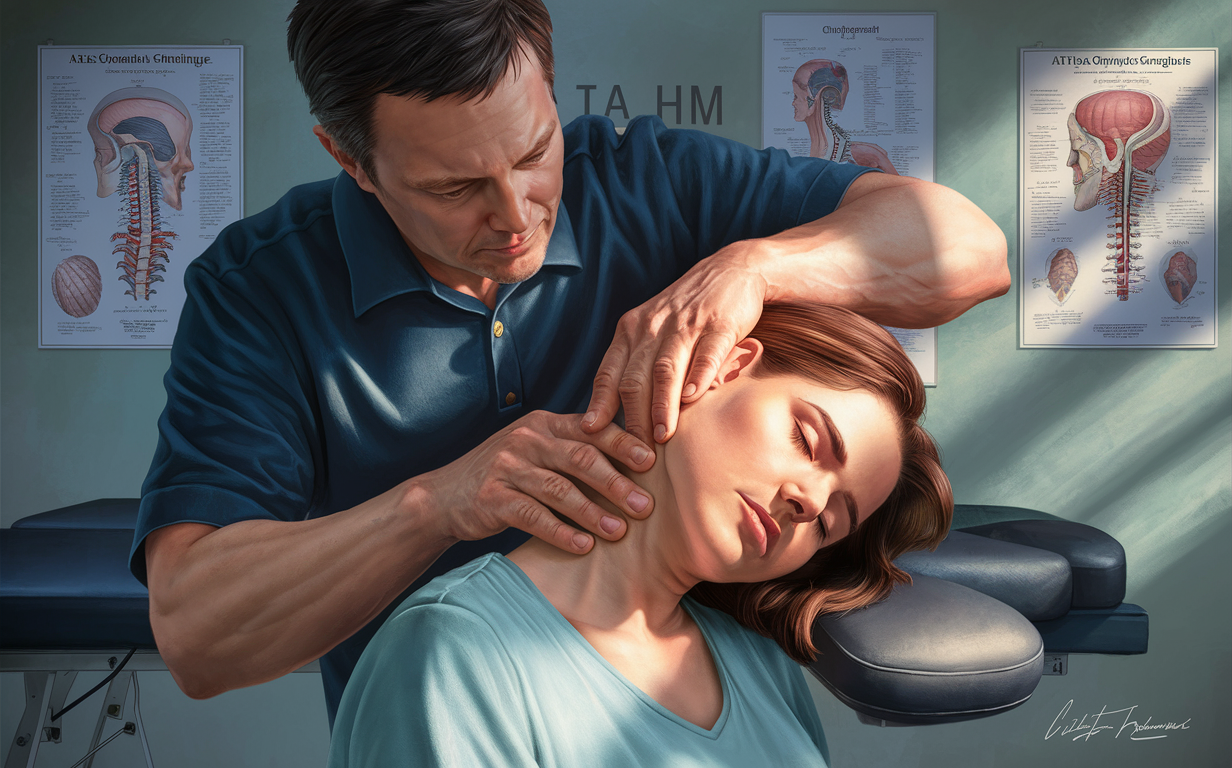
The atlas vertebra supports the weight of the skull, allowing for a wide range of head movements. Misalignments can lead to imbalances and strain on the neck and shoulders.
The atlas also plays a vital role in protecting the brainstem, a critical part of the nervous system. Misalignments can cause pressure on the brainstem, leading to various health issues.
Proper alignment of the atlas vertebra ensures optimal communication between the brain and the rest of the body. This communication is essential for overall health and well-being.
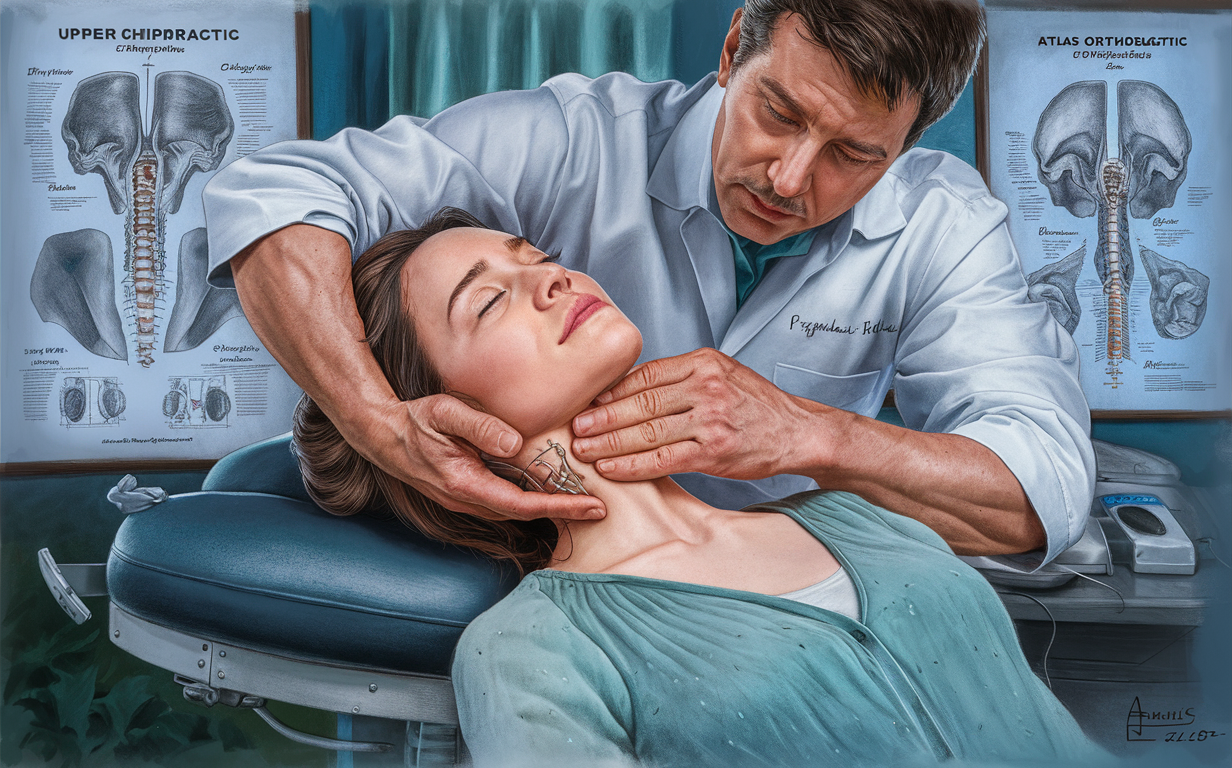
Regular atlas orthogonal adjustments can help prevent future spinal misalignments and associated health problems. This proactive approach supports long-term wellness.
Athletes can benefit from Atlas orthogonal adjustments by improving their range of motion and reducing the risk of injuries. This technique can enhance overall performance and recovery.
By maintaining proper spinal alignment, the atlas orthogonal technique supports overall health and well-being. This holistic approach addresses the root cause of health issues rather than just treating symptoms.
To find a qualified atlas orthogonal chiropractor, consider researching online and asking for referrals from friends or family. Look for practitioners with experience and positive patient reviews.
During your initial consultation, the chiropractor will assess your health history and perform a thorough examination. This assessment helps determine if the atlas orthogonal technique is right for you.
Your chiropractor will create a personalized treatment plan based on your unique needs and health goals. This plan may include regular adjustments and complementary therapies such as massage.
The atlas orthogonal technique in upper cervical chiropractic is a specialized, non-invasive method that offers numerous health benefits. By focusing on the atlas vertebra, this technique can provide pain relief, improve mobility, and enhance overall well-being. If you’re experiencing chronic pain or other health issues, consider consulting with an atlas orthogonal chiropractor to explore this gentle, effective approach to spinal health. Discover the atlas orthogonal technique in upper cervical chiropractic for gentle adjustments, pain relief, and improved nervous system function. Don’t hesitate to visit our office and contact us to assess your situation and customize a treatment plan specifically for your needs.
