
Misalignments in the upper cervical spine can significantly impact your posture and body mechanics, leading to various health issues. These subtle misalignments can disrupt the communication between your brain and body, resulting in chronic pain, reduced mobility, and decreased overall well-being.
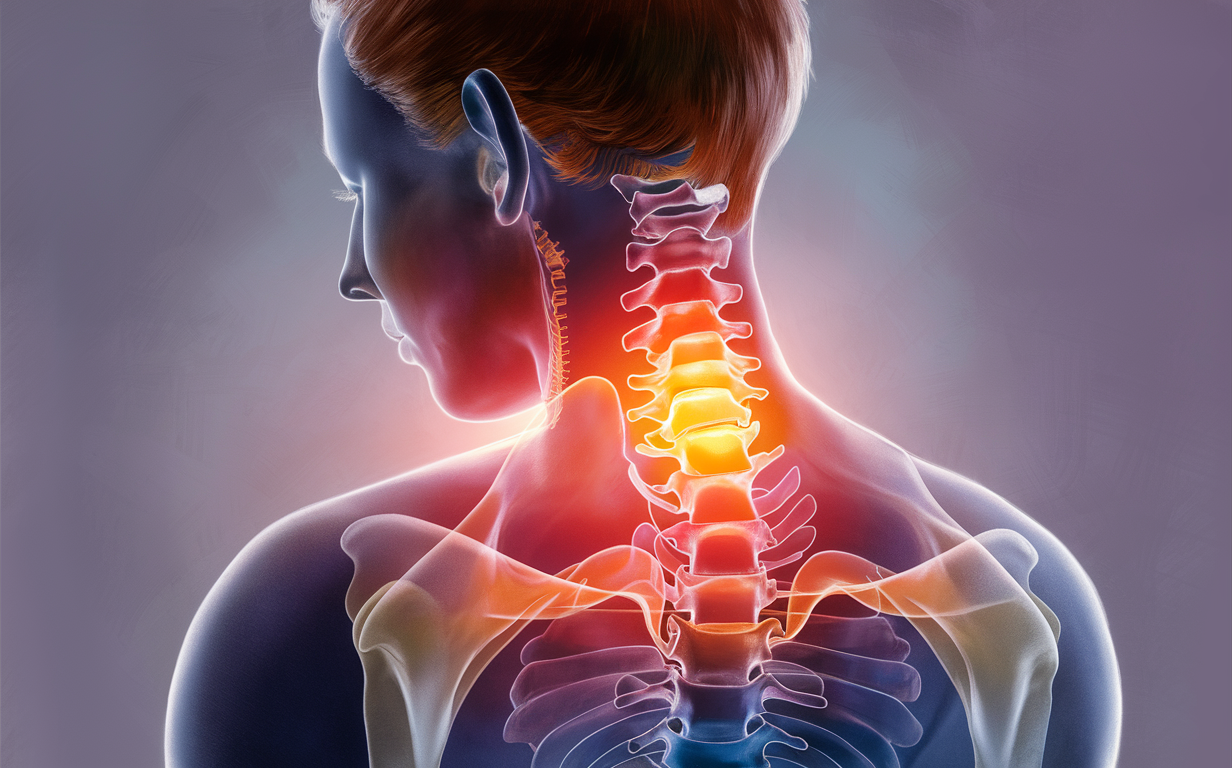
The upper cervical spine consists of the first two vertebrae, known as the atlas (C1) and the axis (C2). These vertebrae play a crucial role in supporting the head and facilitating its range of motion. When these vertebrae are misaligned, they can cause a ripple effect throughout the body.
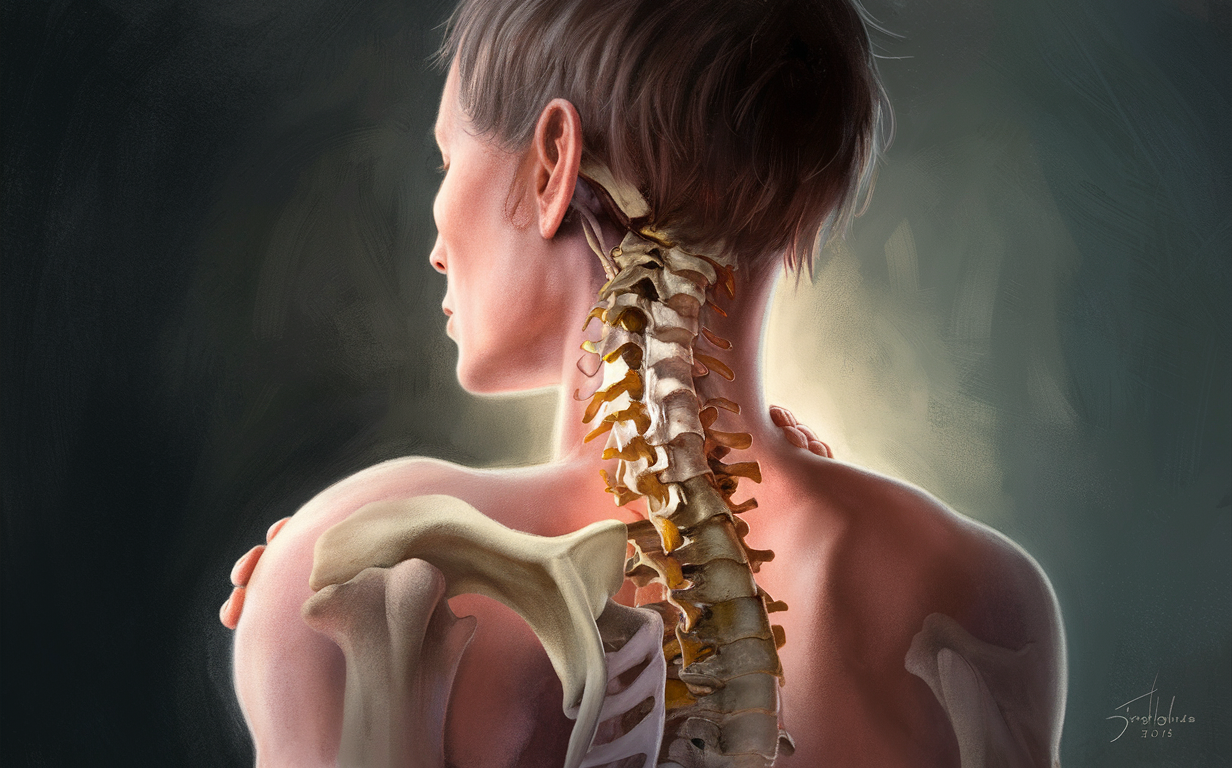
When the upper cervical spine is misaligned, it can create a domino effect throughout the body. This misalignment can force the body to compensate, leading to poor posture. Over time, this compensation can result in a range of issues:
| Postural Change | Description | Potential Consequences |
|---|---|---|
| Forward Head Posture | Head protrudes forward | Neck pain, headaches |
| Rounded Shoulders | Shoulders slouch forward | Shoulder, upper back pain |
| Pelvic Tilt | Pelvis tilts anteriorly or posteriorly | Lower back pain, hip discomfort |
| Sway Back | Overarching of the lower back | Lower back pain, hamstring tension |
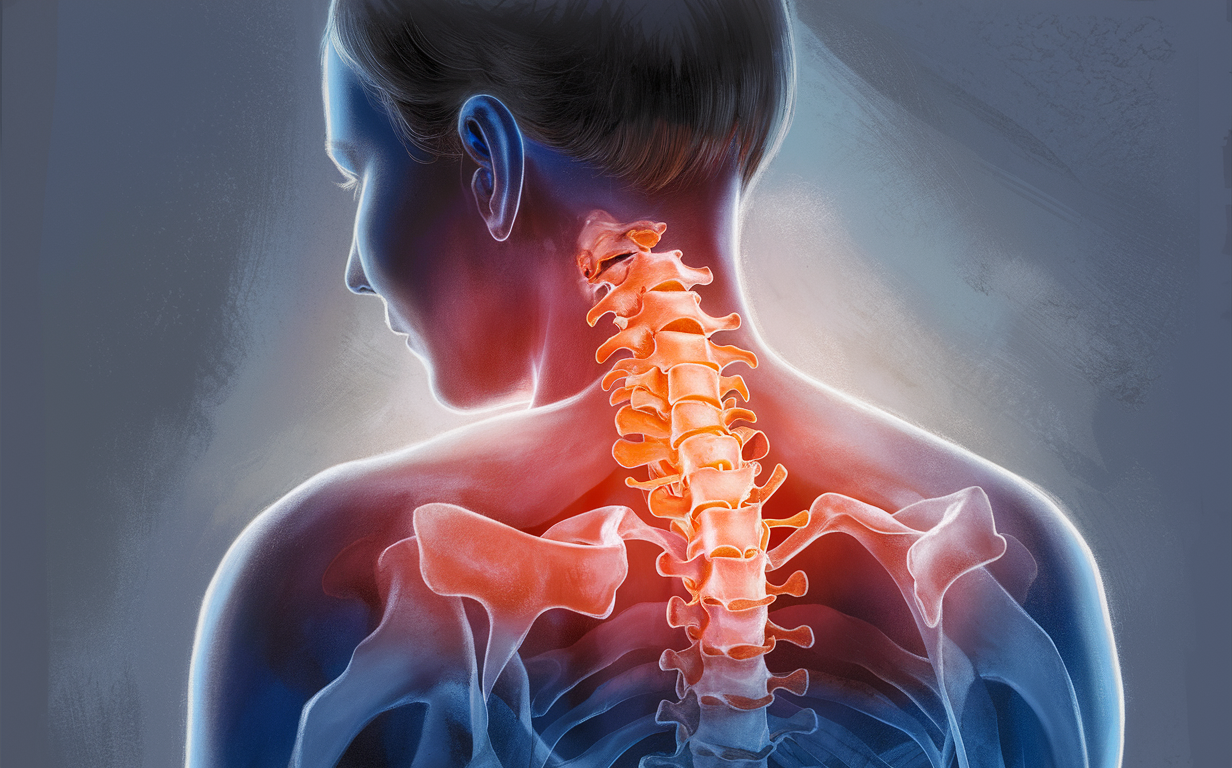
Body mechanics refer to how the body moves and functions. Misalignments in the upper cervical spine can lead to improper muscle function. Muscles may become overactive or underactive, leading to imbalances that affect movement efficiency.
These muscle imbalances can alter normal movement patterns, making everyday actions uncomfortable or even painful. For instance, turning your head or lifting objects may become strenuous, and you might notice a reduction in your range of motion.
| Imbalance Type | Affected Muscles | Consequences |
|---|---|---|
| Overactive | Upper trapezius, levator scapulae | Neck tension, reduced flexibility |
| Underactive | Deep neck flexors, lower trapezius | Poor head support, rounded shoulders |
| Compensatory | Hip flexors, hamstrings | Lower back pain, altered gait |
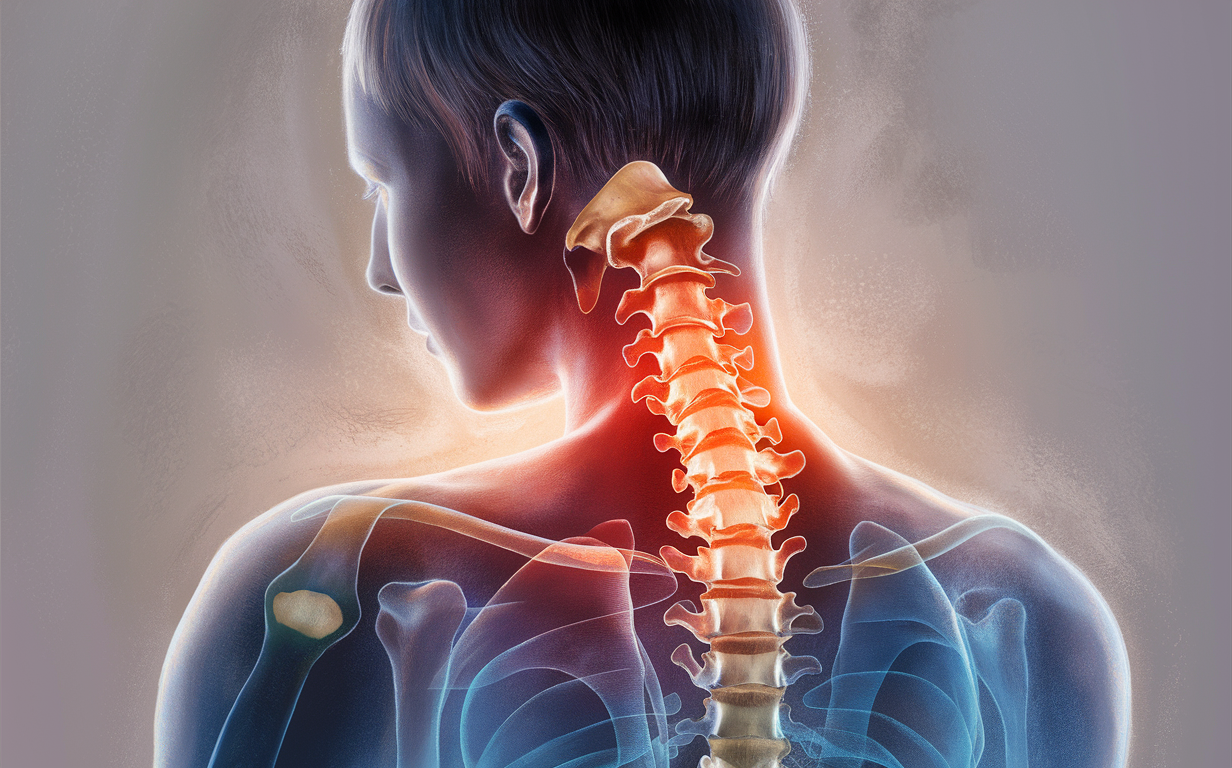
Chiropractic care focuses on correcting spinal misalignments to restore proper function. Techniques such as the Blair Upper Cervical Technique can precisely target the atlas and axis vertebrae, providing relief and improving posture.
In addition to spinal adjustments, other therapies can support recovery and enhance overall wellness.
Massage therapy can relax tight muscles, improve circulation, and promote relaxation. This can be particularly beneficial for those with chronic neck and shoulder tension due to misalignment.
Acupuncture can help relieve muscle knots and trigger points, further reducing pain and improving muscle function.
Many patients have experienced significant improvements in their posture and body mechanics through chiropractic care.
Misalignments in the upper cervical spine can profoundly affect your posture and body mechanics, leading to chronic pain and reduced quality of life. By addressing these misalignments through chiropractic care and complementary therapies, you can restore proper function, improve your posture, and enhance your overall well-being.
For those experiencing symptoms of upper cervical misalignment, seeking professional care from a trusted chiropractor can be a life-changing step towards better health. Don’t let chronic pain and poor posture hold you back; take control of your health and experience the benefits of a well-aligned spine.
SEO Title: How Upper Cervical Misalignments Affect Posture & Body Mechanics
This article provides a comprehensive look into the effects of upper cervical misalignments on posture and body mechanics. It emphasizes the importance of addressing these issues through chiropractic care to enhance overall health and well-being.
