5 Types of Upper Cervical Misalignments Causing Pain
Blog
/ 5 Types of Upper Cervical Misalignments Causing Pain
Table Of Contents
Discover the types of upper cervical misalignments causing headaches, dizziness, and pain. Learn how chiropractic adjustments can realign vertebrae and alleviate symptoms.
Are you experiencing unexplained headaches, neck pain, or dizziness? You might be dealing with an upper cervical misalignment. As a chiropractor, I’ve seen firsthand how these subtle shifts in the neck vertebrae can cause a ripple effect throughout the body, leading to various symptoms.
In this article, we’ll explore the different types of upper cervical misalignments and how they can impact your health.
Upper cervical misalignments can cause various symptoms, including headaches, neck pain, and dizziness.
There are several types of upper cervical misalignments, each with unique characteristics.
Chiropractic care, specifically upper cervical care, can help realign the vertebrae and alleviate symptoms.
Table of Contents
Understanding The Different Types Of Upper Cervical Misalignments:
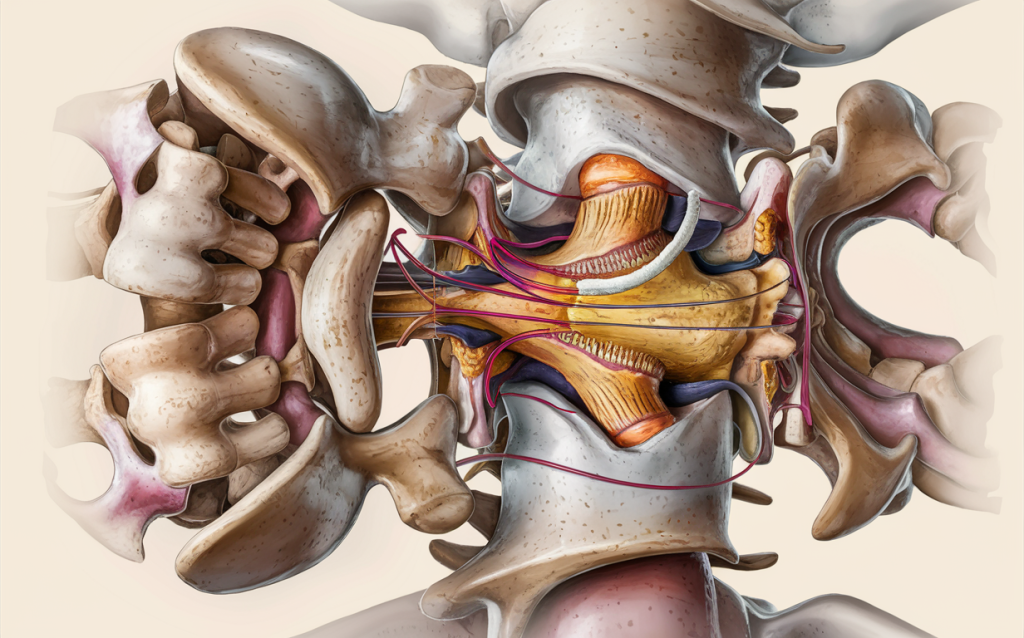
An upper cervical misalignment occurs when the vertebrae in the upper neck region lose their normal alignment. This misalignment can put pressure on the surrounding nerves and tissues, leading to various symptoms.
Let’s discuss some common types of upper cervical misalignments.
Atlas Subluxation: The atlas is the topmost vertebra in the neck. A subluxation in this bone can cause a variety of symptoms, including headaches, neck pain, and vertigo. This misalignment can also affect the brainstem’s function, leading to issues with balance and coordination.
Axis Rotation: The axis is the second vertebra in the neck. A rotation in this bone can put pressure on the spinal cord and cause symptoms such as numbness, tingling, and weakness in the arms and legs.
Occiput Misalignment: The occiput is the bone at the base of the skull. A misalignment in this bone can cause headaches, dizziness, and even migraines.
Cranio-Cervical Syndrome: This condition occurs when the skull and the upper cervical vertebrae are misaligned. Symptoms can include headaches, neck pain, and vision problems.
Foramen Magnum Syndrome: The foramen magnum is an opening at the base of the skull that allows the spinal cord to exit. A misalignment in this area can put pressure on the spinal cord and cause symptoms such as numbness, tingling, and weakness.
Comparing Upper Cervical Misalignments
Misalignment
Symptoms
Impact on Nerves
Atlas Subluxation
Headaches, neck pain, vertigo
Brainstem
Axis Rotation
Numbness, tingling, weakness
Spinal cord
Occiput Misalignment
Headaches, dizziness, migraines
None
Cranio-Cervical Syndrome
Headaches, neck pain, vision problems
Brainstem, cranial nerves
Foramen Magnum Syndrome
Numbness, tingling, weakness
Spinal cord
Additional Symptoms of Upper Cervical Misalignments
Blurred vision – Ringing in the ears (tinnitus)
Difficulty swallowing
Shoulder pain
Arm pain
Decreased range of motion in the neck
Potential Causes of Upper Cervical Misalignments
Upper cervical misalignments can occur due to various reasons, including:
Trauma or injury to the head or neck, such as whiplash from a car accident or a sports-related impact
Poor posture, especially from prolonged sitting or looking down at electronic devices
Repetitive stress or strain on the neck muscles, common in certain occupations or activities
Degenerative conditions, such as arthritis or disc degeneration
Congenital abnormalities or developmental issues affecting the spine
Stress and muscle tension, which can lead to misalignments over time
Diagnosis and Treatment Options
To diagnose an upper cervical misalignment, your chiropractor may perform the following:
Physical examination to assess posture, range of motion, and potential areas of misalignment
Palpation of the cervical spine to identify areas of tension or restriction
X-rays or other imaging techniques to visualize the vertebral alignment and rule out other conditions
Functional assessments to evaluate the impact of the misalignment on your overall health and well-being
Treatment options for upper cervical misalignments may include:
Chiropractic adjustments, specifically tailored to the upper cervical region, to realign the vertebrae
Soft tissue therapy, such as massage or stretching, to release muscle tension and promote healing
Lifestyle modifications, including ergonomic adjustments, postural exercises, and stress management techniques
Adjunctive therapies, such as cold or heat therapy, to manage pain and inflammation
It’s essential to work closely with your chiropractor to develop a comprehensive treatment plan that addresses the root cause of your upper cervical misalignment and supports your overall well-being.
Here are some data-driven facts and stats about upper cervical misalignments causing pain:
According to a study published in the Journal of Manipulative and Physiological Therapeutics, upper cervical misalignments have been linked to various health conditions, including headaches, migraines, and neck pain.
Another study in the European Spine Journal found that upper cervical misalignments can cause dysfunction in the trigeminal nerve, leading to facial pain and other symptoms.
A review of the literature on upper cervical misalignments and pain was published in the Journal of Chiropractic Medicine. The authors found that upper cervical misalignments can cause a wide range of symptoms, including headaches, neck pain, shoulder pain, and even digestive problems.
Chiropractic Care for Upper Cervical Misalignments:
Chiropractic care, specifically upper cervical care, can help realign the vertebrae and alleviate symptoms. Gentle adjustments to the upper cervical region can help restore normal function to the area, allowing the body to heal itself.
Upper cervical misalignments can cause a wide range of symptoms, from headaches and neck pain to dizziness and numbness. By understanding the different types of misalignments and their unique characteristics, we can better diagnose and treat these conditions.
Chiropractic care, specifically upper cervical care, offers a safe and effective solution for realigning the vertebrae and alleviating symptoms. If you’re experiencing any of the symptoms discussed in this article, consider seeking the help of a chiropractor specializing in upper cervical care.