
Explore the anatomy and biomechanics of the upper cervical spine, its role in movement, and stability, and how chiropractic care enhances spinal health.
The anatomy and biomechanics of the upper cervical spine are crucial for understanding how this body region supports head movement and overall stability. This knowledge is particularly relevant for chiropractic care, where precise adjustments can alleviate pain and improve function.
The upper cervical spine is a complex and vital region of the human body, responsible for supporting the head and facilitating various functions, including protecting the brainstem and initiating movements. Here’s a brief overview of the anatomy and structure of the upper cervical spine.
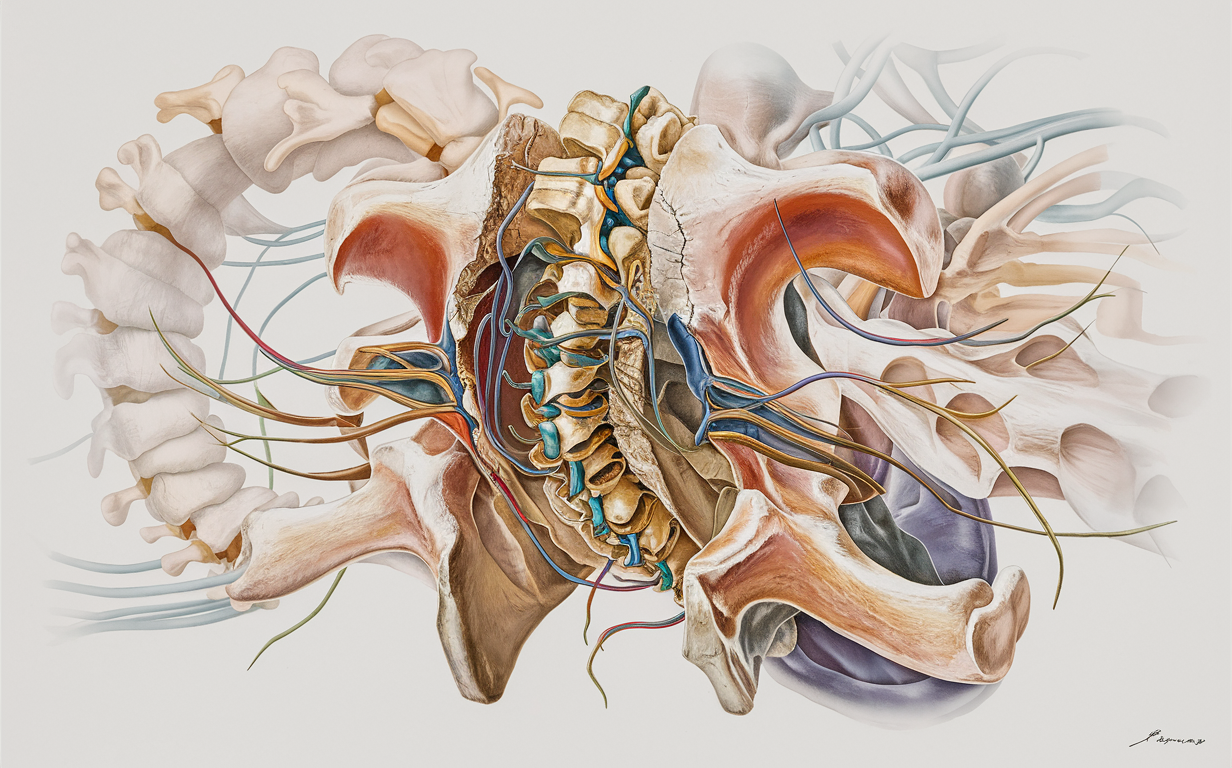
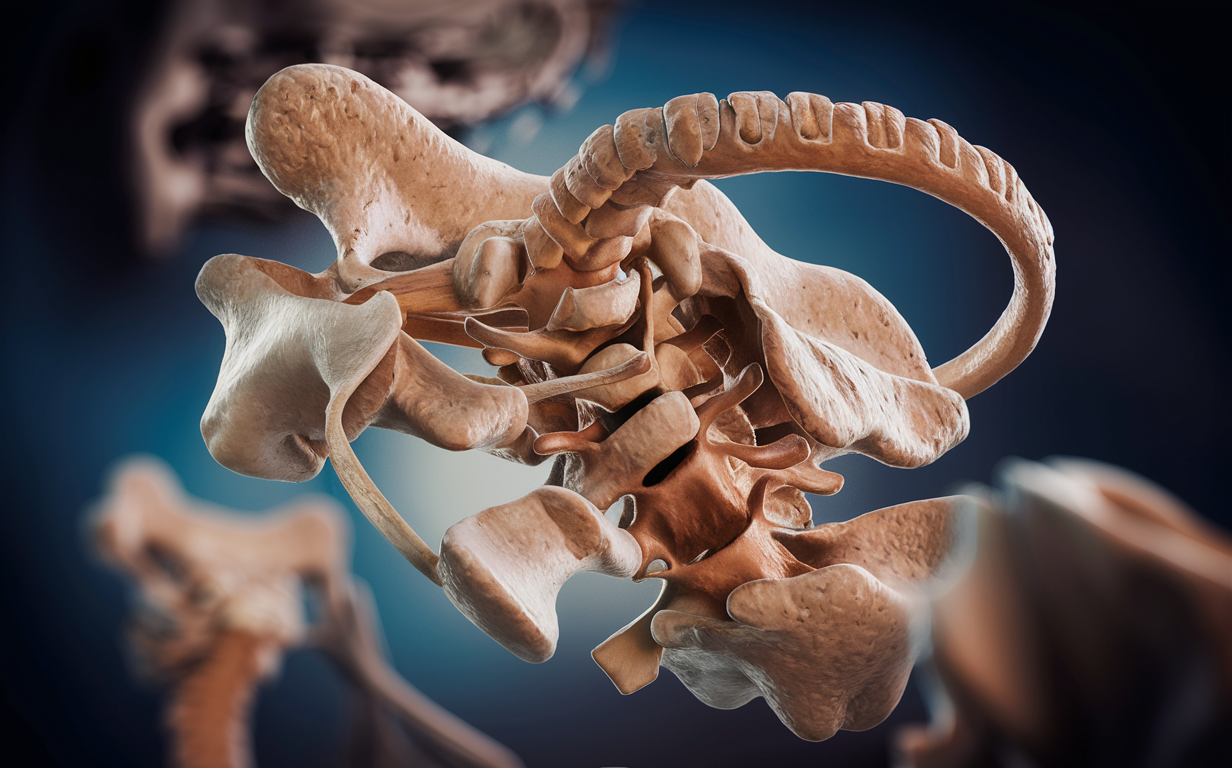
The atlas is the first cervical vertebra and supports the skull. It is ring-shaped and lacks a vertebral body, allowing for a greater range of motion.
The axis is the second cervical vertebra and features a unique structure called the odontoid process, or dens, which acts as a pivot point for the atlas and skull.
Numerous ligaments and muscles support the upper cervical spine. These include the transverse ligament, which holds the dens in place, and the alar ligaments, which limit rotation.
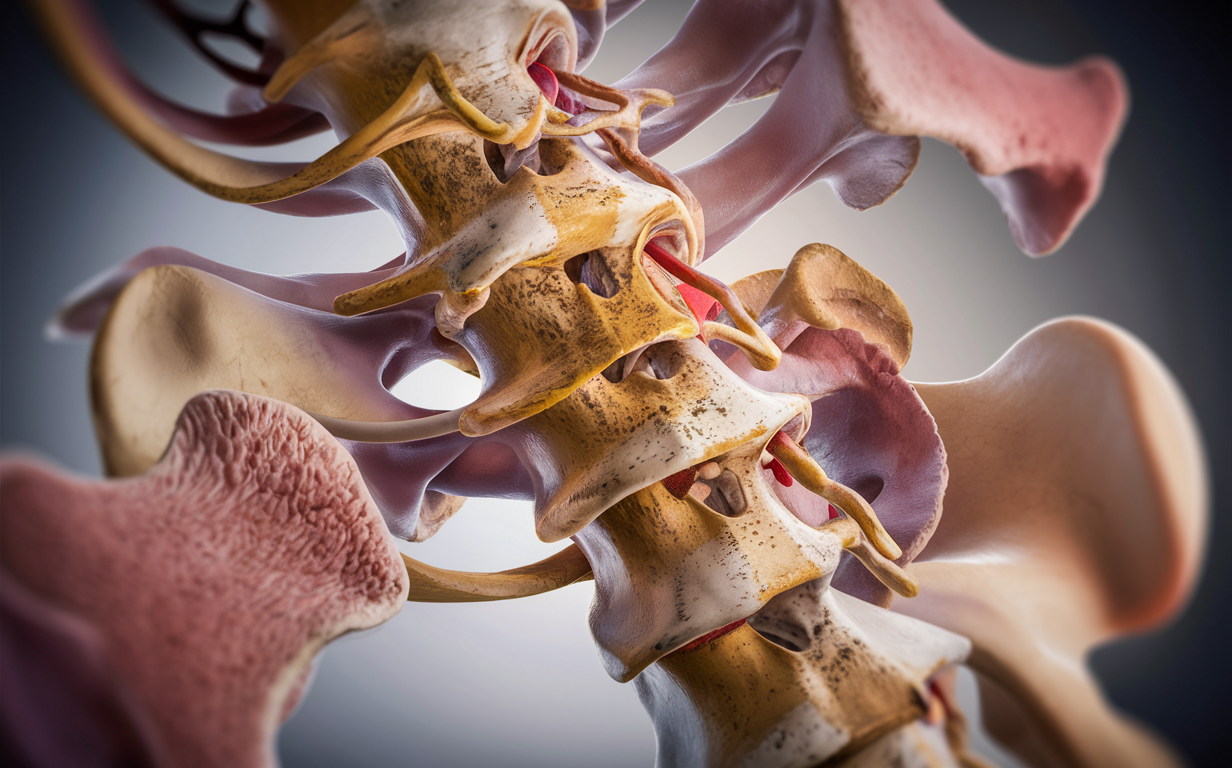
The upper cervical spine allows for extensive rotation, flexion, and extension. The atlas and axis enable approximately 50% of the neck’s rotation.
The unique structure of the upper cervical spine effectively distributes loads from the head to the rest of the spine, minimizing stress on individual vertebrae.
While the upper cervical spine is highly mobile, it is also incredibly stable due to its ligamentous and muscular support. This balance is crucial for maintaining proper alignment and function.
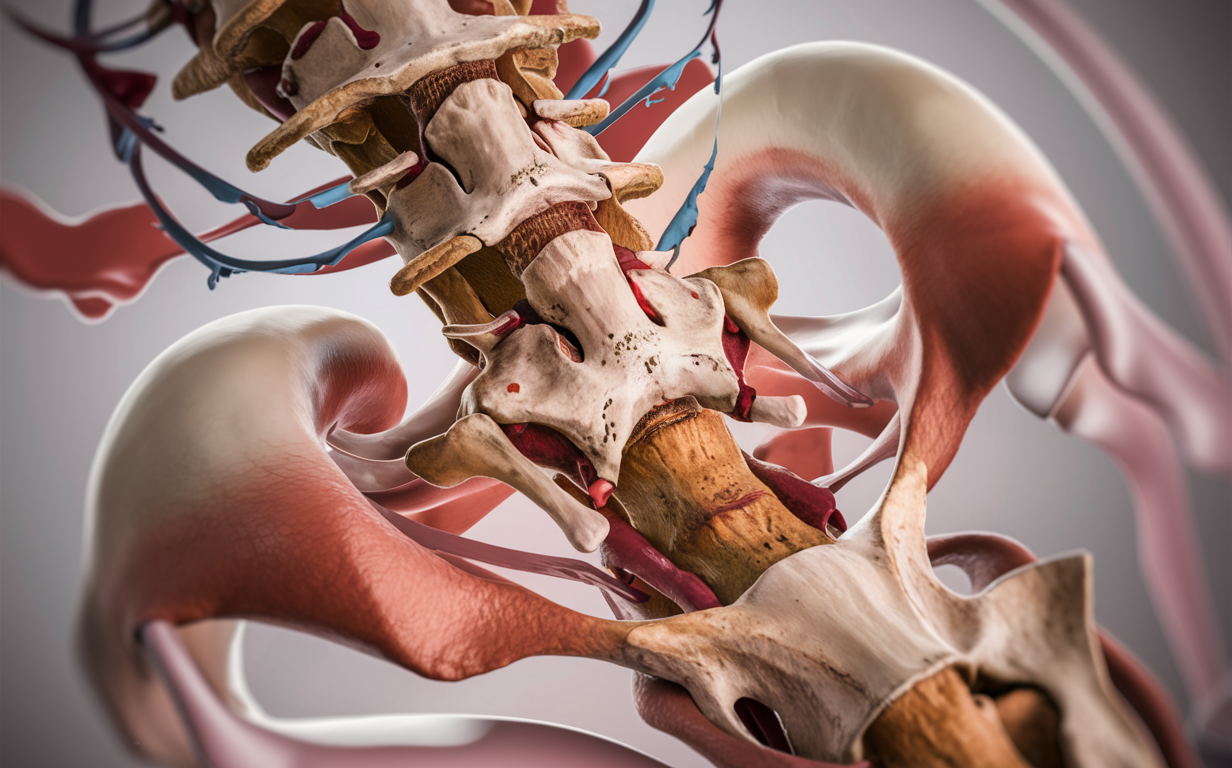
Misalignments, or subluxations, in the upper cervical spine, can lead to various issues, including headaches, neck pain, and reduced range of motion.
Whiplash injuries, often resulting from car accidents, can cause significant trauma to the upper cervical spine, leading to chronic pain and other complications.
Degenerative changes, such as arthritis, can affect the upper cervical spine, leading to pain and reduced mobility.
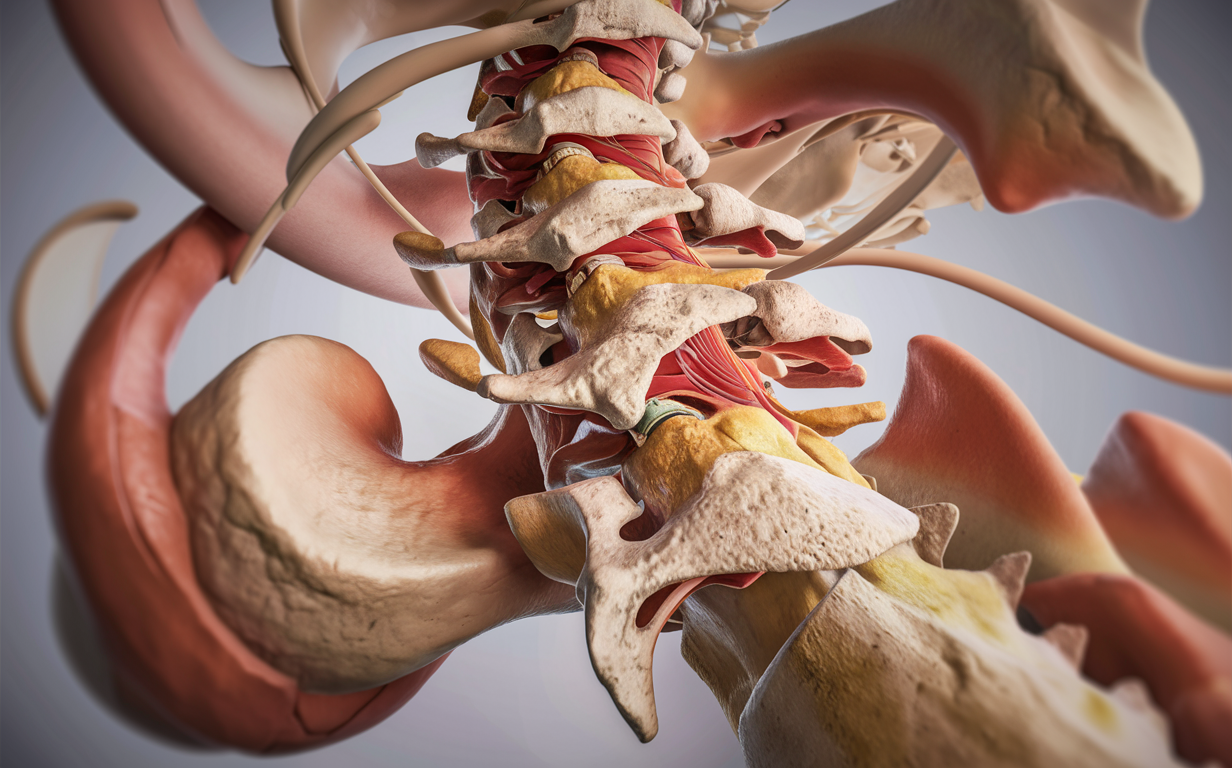
Chiropractors use gentle, precise adjustments to correct misalignments in the upper cervical spine. These adjustments can relieve pain and improve function.
Patients often report significant improvements in their symptoms following upper cervical adjustments. For example, one patient experienced relief from chronic headaches after just a few sessions.
In addition to adjustments, chiropractors may use complementary therapies such as massage and acupuncture to support upper cervical spine health.

| Symptom | Description | Potential Cause |
|---|---|---|
| Headaches | Pain localized in the head | Cervical misalignments |
| Neck Pain | Discomfort in the neck area | Whiplash or muscle strain |
| Dizziness | Sensation of spinning or loss of balance | Subluxations or vestibular issues |
| Reduced Mobility | Limited range of motion in the neck | Degenerative changes |
| Tingling/Numbness | Abnormal sensations in the arms or hands | Nerve compression |
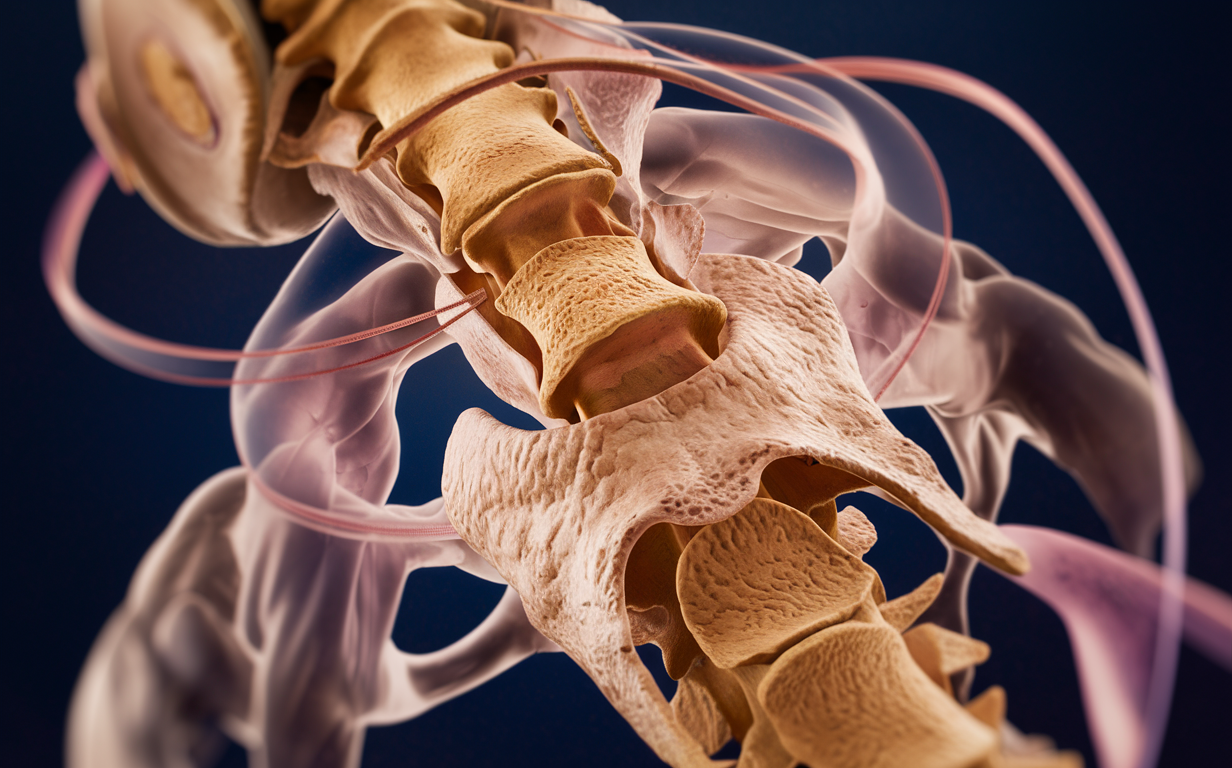
A thorough understanding of upper cervical spine biomechanics helps healthcare providers diagnose issues more accurately.
Knowledge of the upper cervical spine allows for the creation of personalized treatment plans that address the root cause of a patient’s symptoms.
Understanding the biomechanics of the upper cervical spine can inform preventative care strategies, helping patients maintain spinal health and avoid future issues.
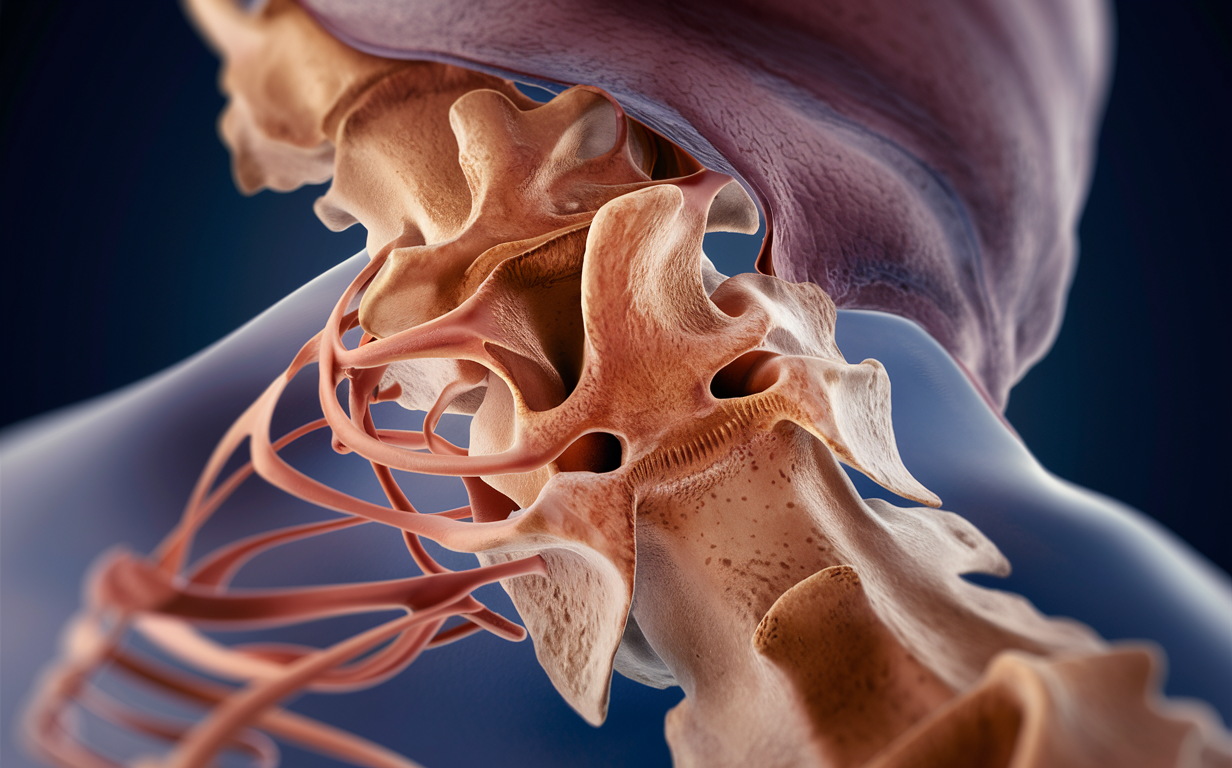
| Adjustment Type | Description | Benefits |
|---|---|---|
| Blair Upper Cervical | Gentle, precise adjustments specific to the upper cervical spine | Reduces nerve interference and improves function |
| Gonstead Technique | Detailed analysis and correction of spinal misalignments | Enhances overall spinal health |
| Activator Method | Use of a small, hand-held instrument for adjustments | Minimizes patient discomfort |
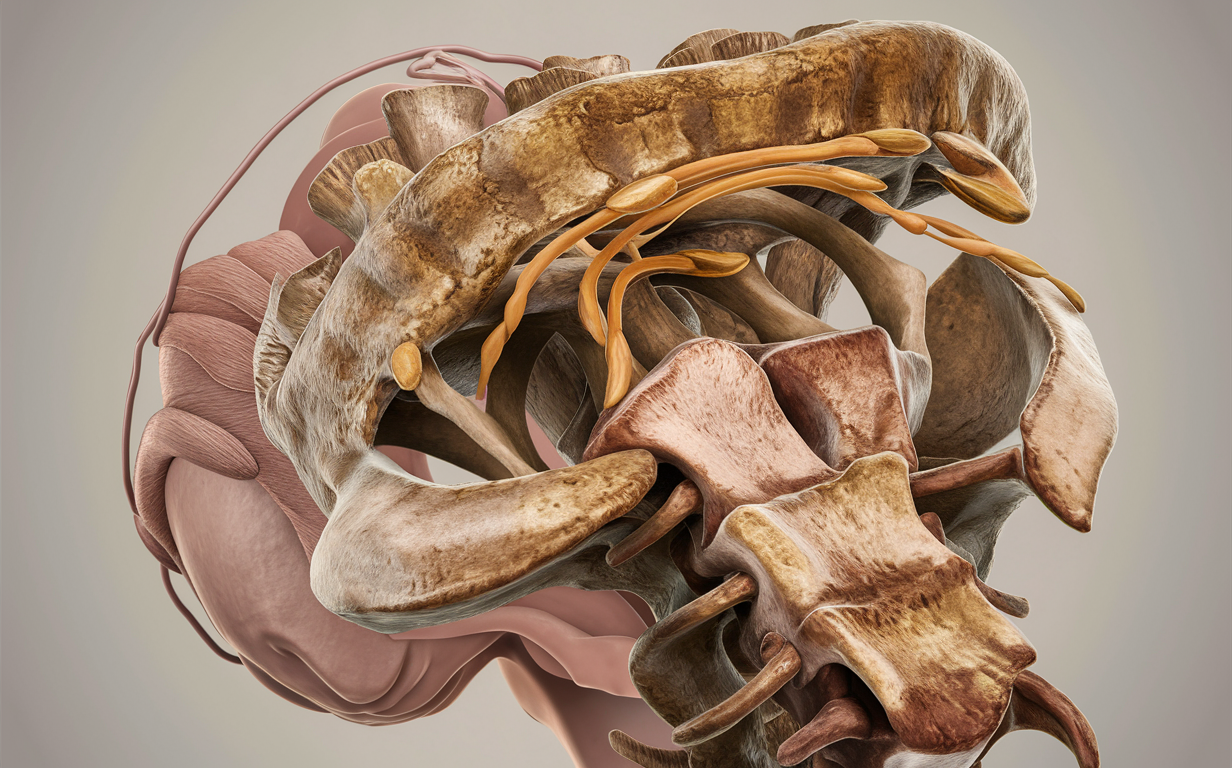
A patient with chronic headaches found relief after receiving Blair’s upper cervical adjustments. The precise nature of this technique allowed for targeted correction of misalignments.
Following a car accident, a patient experienced limited neck mobility and pain. Regular chiropractic adjustments, combined with physical therapy, significantly improved their range of motion and reduced pain.
A senior patient with arthritis in the upper cervical spine benefited from a combination of chiropractic adjustments and acupuncture, which helped manage pain and improve quality of life.
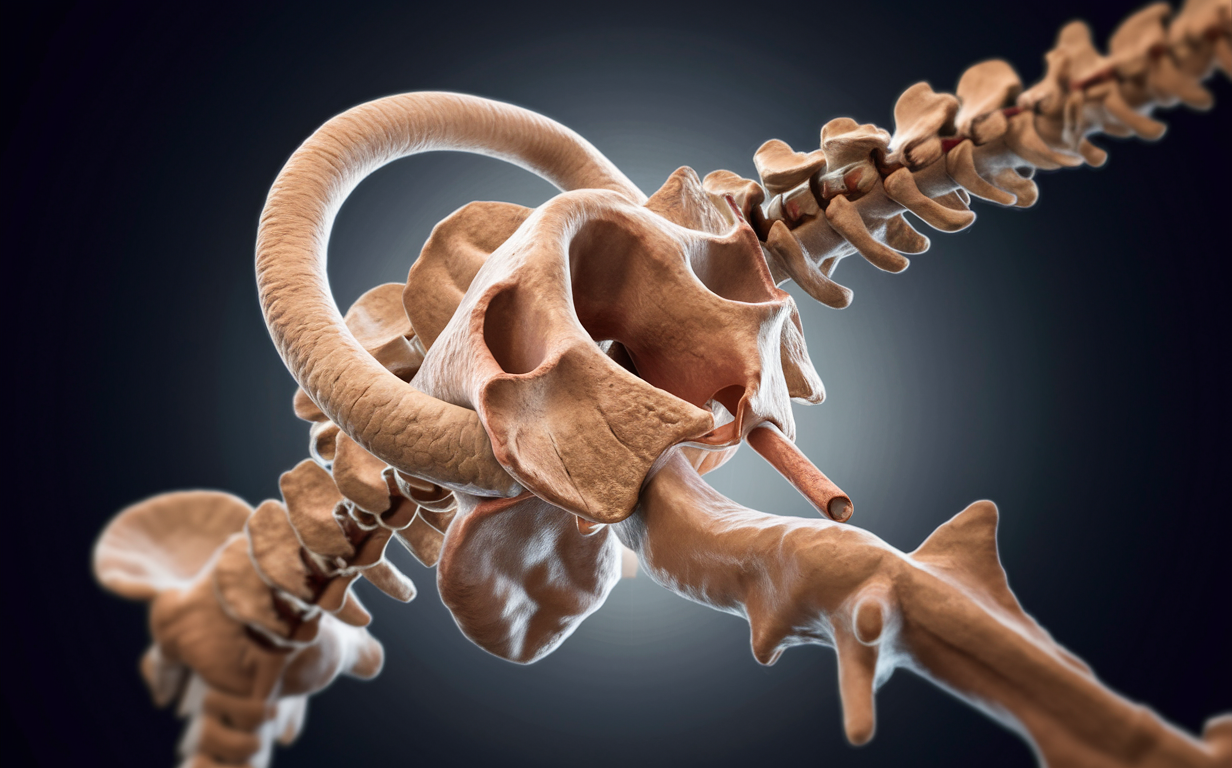
The suboccipital muscles, located at the base of the skull, play a crucial role in head movement and stability.
The transverse ligament holds the odontoid process in place, preventing excessive movement that could compress the spinal cord.
The alar ligaments limit the rotation of the head, providing stability to the upper cervical spine.
1. Practice good posture to reduce strain on the upper cervical spine.
2. Engage in regular exercise to strengthen neck muscles and support spinal health.
3. Use ergonomic furniture to support proper alignment while working.
4. Avoid sudden, jarring movements that could cause injury.
5. Seek regular chiropractic care for assessments and adjustments.
Understanding the anatomy and biomechanics of the upper cervical spine is essential for diagnosing and treating related issues. Chiropractic care, with its focus on gentle and precise adjustments, offers significant benefits for individuals experiencing upper cervical spine problems. By maintaining a healthy upper cervical spine, you can improve your overall well-being and enjoy a better quality of life.
This anatomy and biomechanics of the upper cervical spine provides a comprehensive look at the upper cervical spine, its structure, biomechanics, and the role of chiropractic care in maintaining its health. From real-life case studies to practical tips, it aims to offer valuable insights for anyone interested in this critical aspect of spinal health.
For more information or to book an appointment, visit our website or call us. Our dedicated team is here to support your journey and overall well-being.
