
Explore the biomechanics of upper cervical misalignments and discover how chiropractic care can enhance your health and well-being.
Upper cervical misalignments in your atlas and axis vertebrae often cause unexplained migraines, balance issues, TMJ dysfunction, sleep problems, and elevated blood pressure. These C1-C2 subluxations disrupt critical brain-body communication. Missoula’s Blair technique specialists use precision imaging to identify exact misalignment patterns, then deliver gentle adjustments that restore natural neurological function—eliminating symptoms without drugs or surgery.
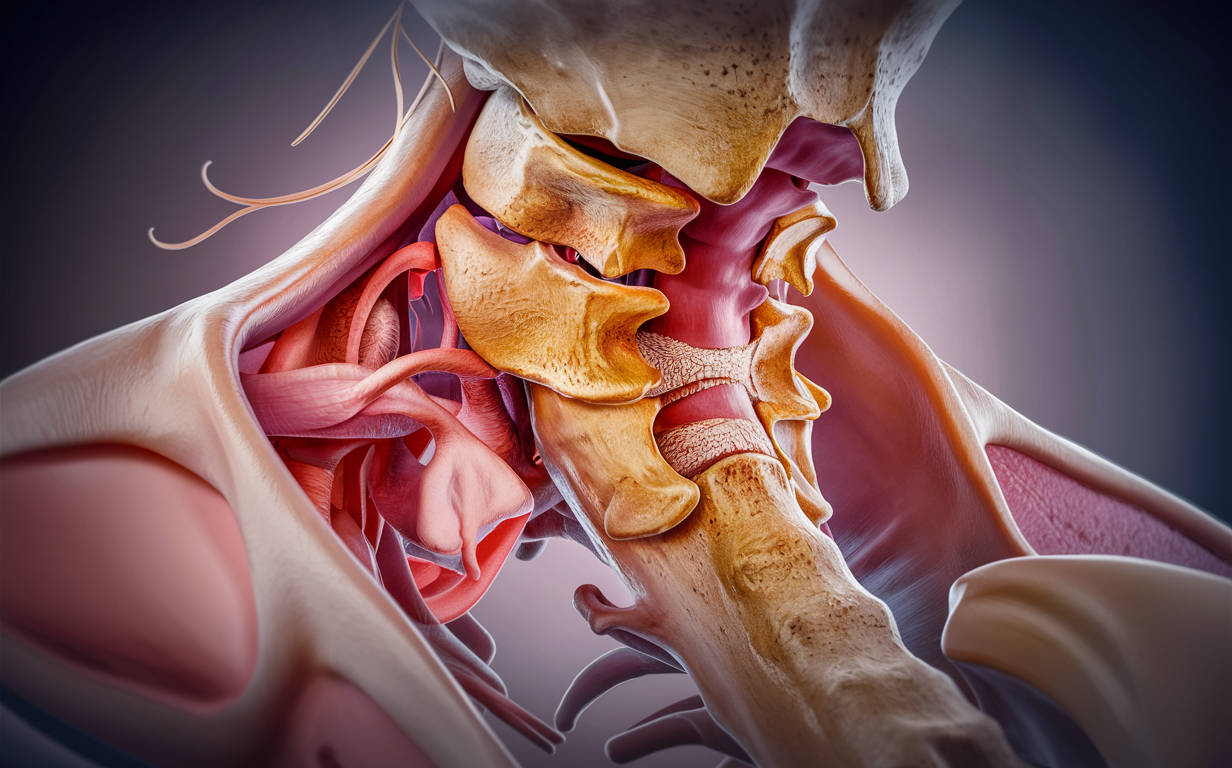
Biomechanics refers to the study of the mechanical laws relating to the movement or structure of living organisms. When it comes to the upper cervical spine, understanding the biomechanics is crucial for diagnosing and treating related issues.
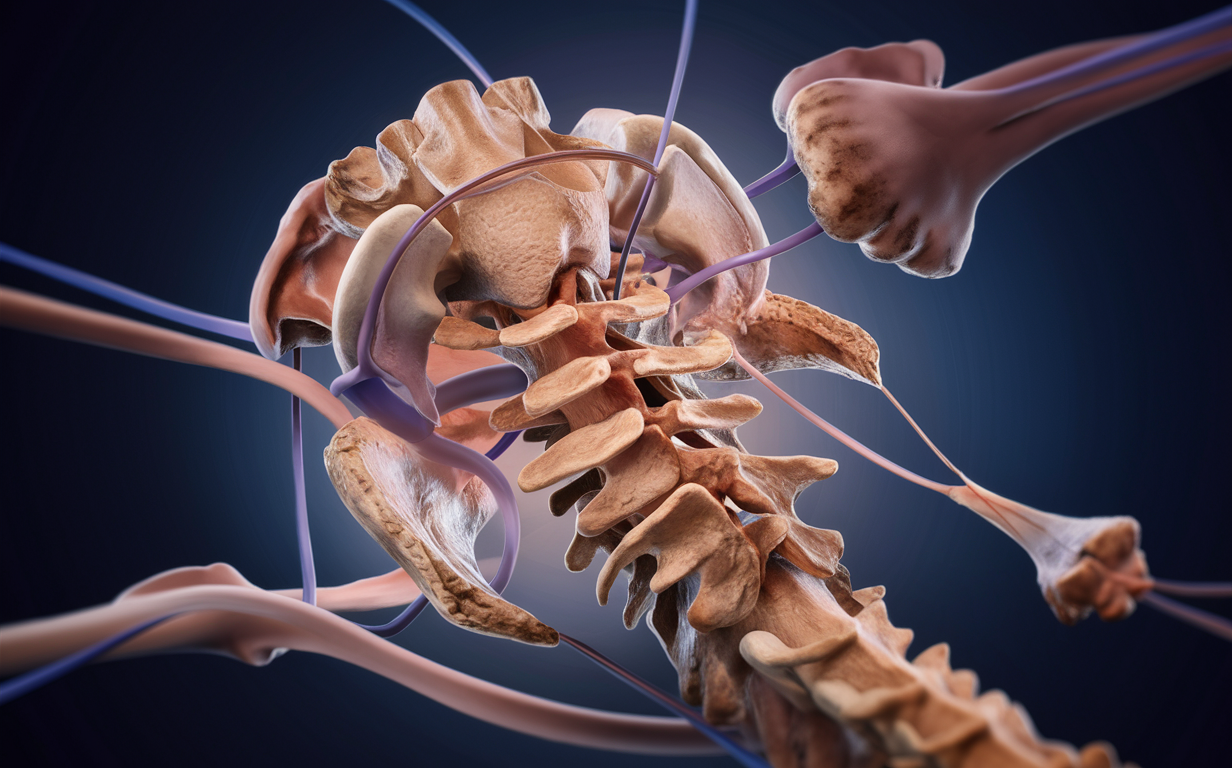
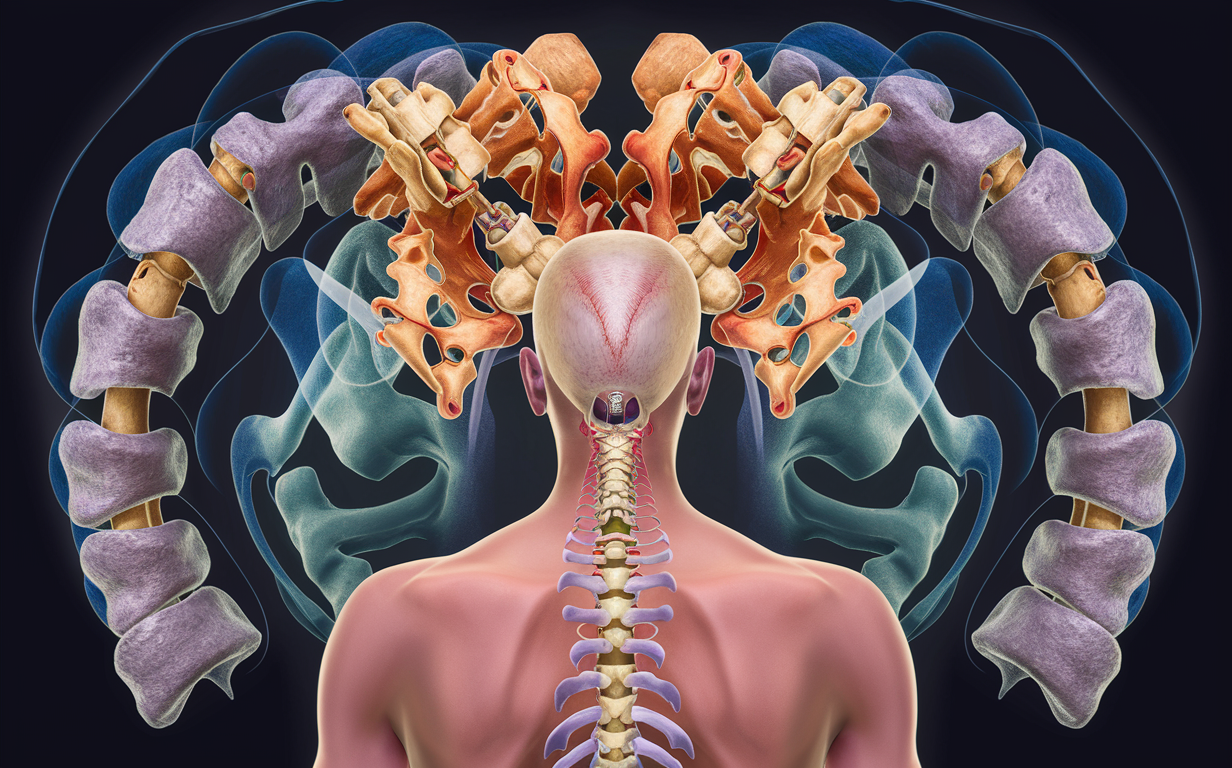
The atlas (C1) and axis (C2) are unique because they allow for the rotation and movement of the head. Unlike other vertebrae, these two are highly specialized and play a critical role in stabilizing the neck and supporting the skull.
When these vertebrae are out of alignment, it can lead to various symptoms:

One significant consequence of upper cervical misalignments is nerve impingement. The spinal cord runs through these vertebrae, and any misalignment can put pressure on the nerves, leading to pain and other symptoms.
The vertebral arteries, which supply blood to the brain, pass through the cervical spine. Misalignments can restrict this blood flow, leading to headaches, dizziness, and even cognitive issues.
Misalignments can also cause muscle imbalances. When your cervical spine is not aligned correctly, your muscles must work harder to support your head, leading to tension and pain.
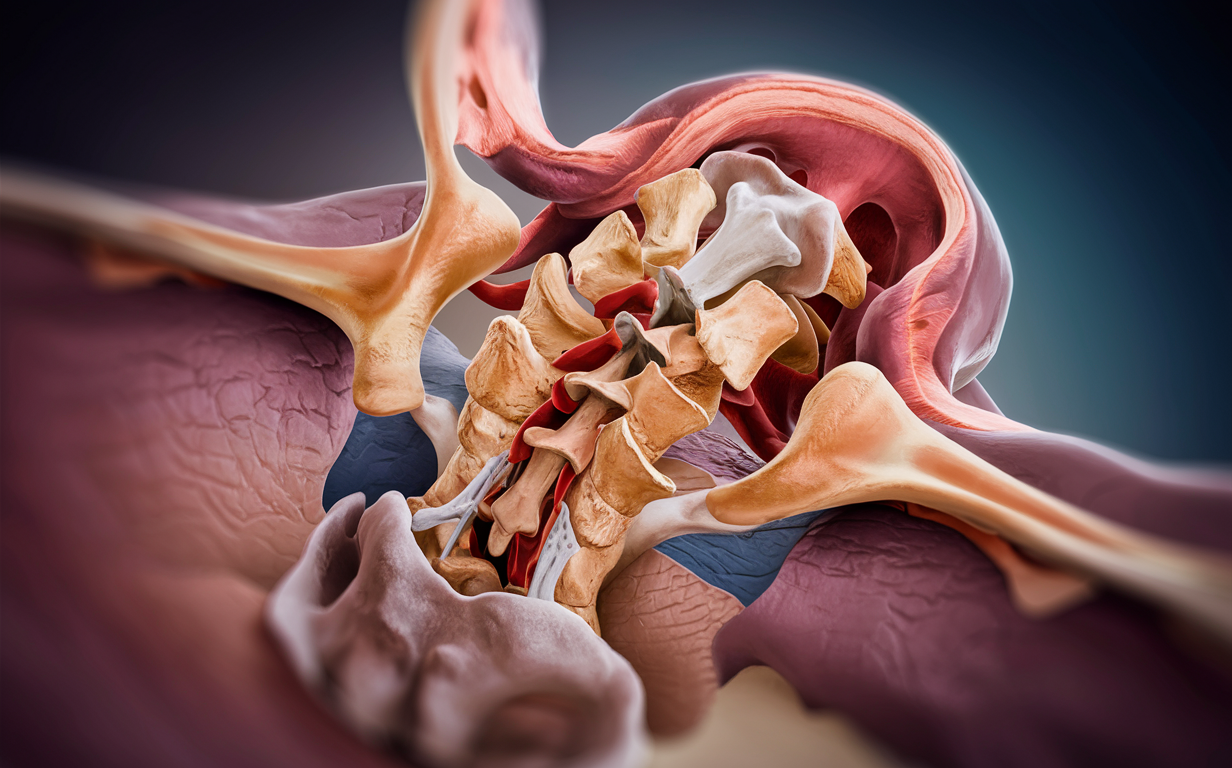
A comprehensive physical examination can reveal a lot about your cervical alignment. Chiropractors often use palpation to feel for misalignments and muscle tension.
Imaging techniques like X-rays, MRI, and CT scans can provide a clear picture of your cervical spine. These imaging methods help in understanding the extent of the misalignment and planning the treatment accordingly.
| Imaging Technique | Purpose | Advantages |
|---|---|---|
| X-ray | Identifies bone misalignments | Quick and widely available |
| MRI | Provides detailed images of soft tissues | No radiation exposure |
| CT Scan | Combines X-ray images for a detailed view | Detailed bone and tissue structure |

One effective chiropractic method for addressing upper cervical misalignments is the Blair Technique. This gentle, non-invasive technique focuses on realigning the atlas and axis without the need for forceful adjustments.
Chiropractic care can provide multiple benefits, including:
Many people have found relief through chiropractic care. For example, Pam J. from Missoula reported significant improvement in her hand tingling after just one treatment, allowing her to enjoy activities like crocheting again.
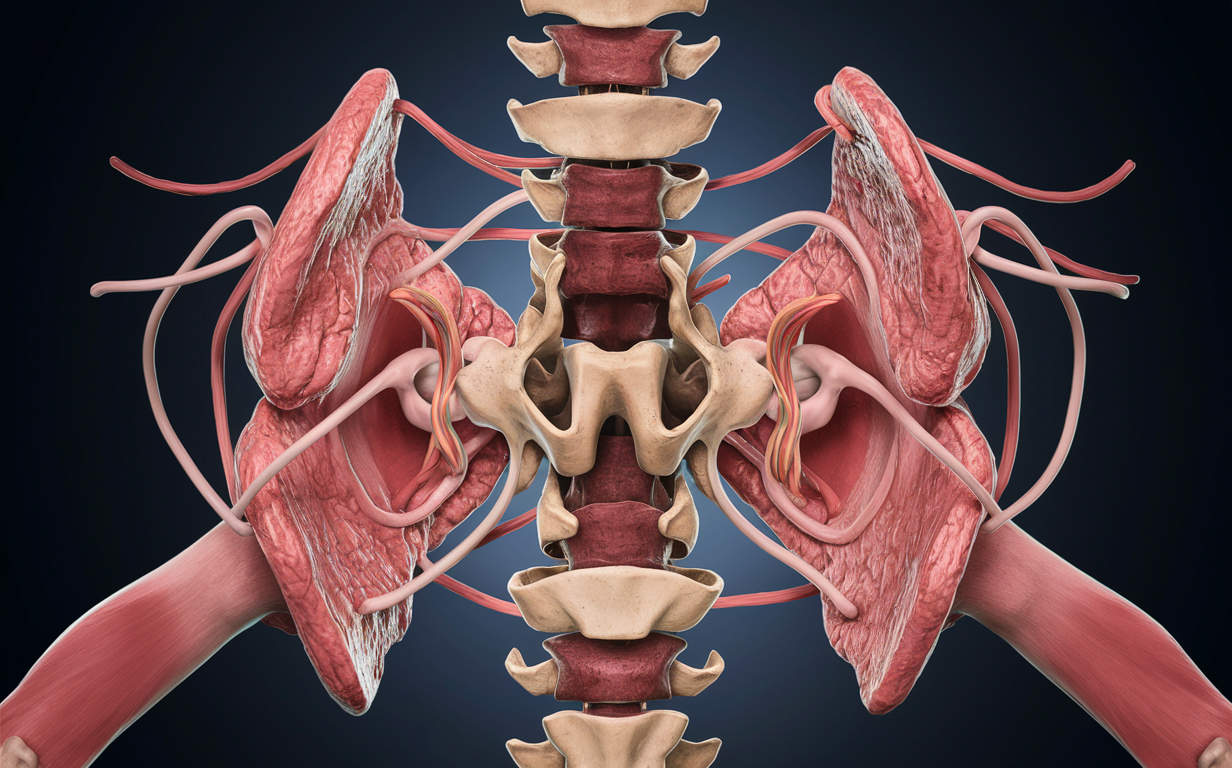
Massage therapy can help alleviate muscle tension caused by misalignments. Techniques such as deep tissue massage and trigger point therapy can be particularly effective.
Acupuncture involves the strategic placement of needles to stimulate the body’s healing processes. This ancient practice can be beneficial in reducing pain and improving circulation.
| Complementary Therapy | Benefits | Techniques |
|---|---|---|
| Massage Therapy | Reduces muscle tension, improves circulation | Deep tissue massage, trigger point therapy |
| Acupuncture | Relieves pain, reduces inflammation | Needle placement at energy pathways |
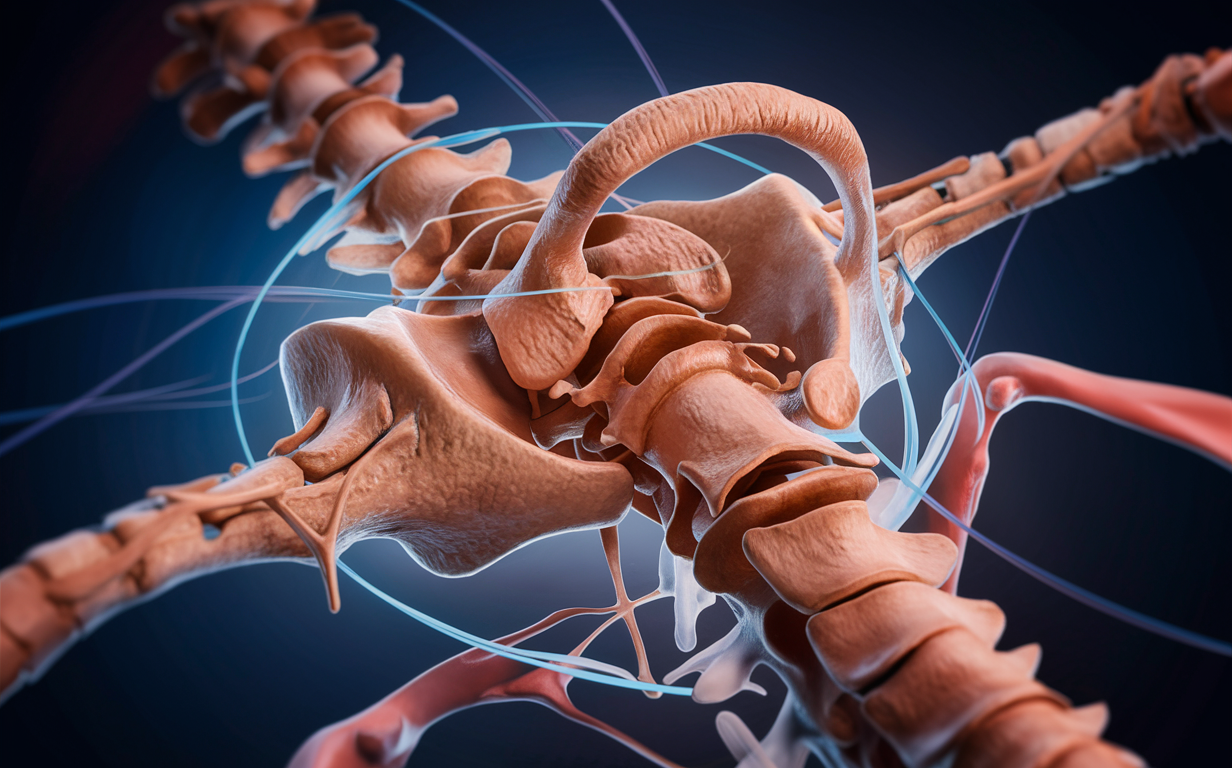
Strengthening your core muscles can provide better support for your spine. Exercises like planks and bridges are excellent for improving core stability.
Using a foam roller can help release muscle tension and improve flexibility. Focus on rolling out your upper back and shoulders to relieve stress caused by misalignments.
Strengthening your lower back and hips can also contribute to better cervical alignment. Exercises like hip bridges and lower back stretches can be beneficial.
Regular visits to your chiropractor can help maintain proper alignment and prevent future issues. Your chiropractor will provide personalized care to address your unique needs.
Regular physical activity can help keep your spine healthy. Activities like walking, swimming, and yoga are excellent for maintaining flexibility and strength.
Making ergonomic adjustments to your workspace can prevent cervical misalignments. Ensure your computer screen is at eye level and use a chair that supports your lower back.
Many people believe that chiropractic adjustments are painful. However, techniques like the Blair Technique are gentle and non-invasive, providing relief without discomfort.
Some think that upper cervical misalignments will resolve without intervention. In reality, professional care is often necessary to correct these issues and prevent further complications.
While chiropractic care is well-known for treating back pain, it is also highly effective for addressing neck issues, headaches, and other related symptoms.
Addressing upper cervical misalignments through professional chiropractic care can significantly improve your quality of life. From reducing chronic pain to enhancing mobility, the benefits are substantial. Take control of your health by seeking expert care and incorporating complementary therapies and corrective exercises into your routine.
Understanding the biomechanics of upper cervical misalignments is crucial for diagnosing and treating related issues effectively. Chiropractic care, especially upper cervical adjustments, can provide significant relief and improve overall well-being. Complementary therapies and corrective exercises further enhance the benefits, helping you maintain a healthy spine and a pain-free life.
For personalized care and to learn more about how chiropractic adjustments can benefit you, contact Krieg Chiropractic Center today and schedule your appointment. Experience firsthand the transformative power of professional chiropractic care and take the first step toward optimal health.
