
Lower back pain affects millions of individuals throughout Missoula County, frequently presenting alongside sciatic nerve irritation—conditions that substantially impair functional capacity and diminish quality of life. Understanding how lower back pain develops through various pathophysiological mechanisms, including vertebral column disorders and peripheral nerve compression, enables patients to pursue evidence-based therapeutic interventions promoting sustainable recovery. Whether experiencing acute musculoskeletal strain or chronic radicular symptoms from lower back pain, identifying etiological factors and implementing appropriate treatment strategies proves essential for achieving lasting relief and preventing future episodes.
Vertebral column discomfort manifests through diverse sensory experiences affecting spinal structures and associated musculature. Lower back pain presentations range from acute nociceptive responses to chronic myofascial pain syndromes involving paravertebral tissues. Etiological factors encompass traumatic microtrauma, repetitive strain patterns, and progressive degenerative changes within intervertebral joints. Research indicates most adults throughout Western Montana experience significant spinal dysfunction requiring professional intervention, with lumbar segments demonstrating particular vulnerability to biomechanical stress and developing chronic pain conditions.
Sciatica represents a specific neurological syndrome characterized by pain following the sciatic nerve distribution pathway, often accompanying lower back pain. This major peripheral nerve originates from lumbosacral nerve roots, traversing through gluteal musculature into lower extremity compartments. When anatomical structures compress neural tissue, patients develop characteristic symptoms including paresthesias, sensory deficits, and potential motor weakness. Intervertebral disc herniation and foraminal stenosis commonly precipitate these manifestations, frequently accompanying chronic mechanical back dysfunction.
When you have back pain, you may feel:
If you have sciatica, you may notice:
Both conditions have different causes. Some of the most common causes include:
A herniated disc occurs when the gel-like center of a disc pushes out. This can press on the sciatic nerve and cause pain.
Lifting heavy objects or twisting your back can lead to muscle strains. This strain can cause pain in your back, making it hard to move.
Slouching while sitting or standing can lead to back pain. Over time, poor posture can put pressure on your spine and muscles.
Sports injuries or accidents can cause sudden pain. You may feel sharp pain that comes on suddenly.
Getting the right diagnosis is key. A healthcare provider may ask about your symptoms and perform a physical exam. They may check your reflexes and how well you can move.
Sometimes, imaging tests like X-rays or MRIs are used. These tests help show what might be causing your pain.
When it comes to treating back pain and sciatica, many options are available. Here are some common treatments:
Seeing a chiropractor can help you align your spine. They use hands-on techniques to relieve pain and improve movement. Krieg Chiropractic Center in Missoula offers personalized care to help you get back on track.
Physical therapy helps you strengthen your back and improve your flexibility. A physical therapist will create an exercise plan just for you.
Massage therapy can relax tight muscles and improve blood flow. This can help reduce pain in your back and ease tension.
Over-the-counter medications like ibuprofen or acetaminophen can help with pain. Your doctor may also prescribe stronger pain relief if needed.
Acupuncture involves inserting thin needles into specific points on your body. This treatment can help relieve pain and improve circulation.
| Treatment Option | Benefits | Timeframe for Relief | Cost |
|---|---|---|---|
| Chiropractic Care | Aligns spine, relieves pain | Immediate to weeks | Varies by provider |
| Physical Therapy | Strengthens muscles | Weeks to months | Often covered by insurance |
| Massage Therapy | Relaxes muscle tension | Immediate | Varies |
| Medications | Reduces pain | Immediate to short-term | Varies |
| Acupuncture | Improves circulation | Varies | Varies |
Making healthy choices can help prevent back pain and sciatica. Here are some tips to keep your back strong:
If your back pain does not go away with rest or home treatment, you should see a healthcare provider. It’s important to get help if you notice:
Many people recover from back pain and sciatica with the right treatment. Early intervention can lead to a quicker recovery. By taking steps to treat your pain and make healthy choices, you can improve your quality of life.
Living with back pain can be difficult. It may affect your daily activities and your mood. You may feel frustrated or worried about your condition.
Finding support can help. Talk to friends and family about how you feel. They can help encourage you on your path to recovery. If you are seeking a community of support, consider visiting our trusted referrals page for options.
While some risk factors are beyond your control, you can take steps to reduce your chances. Staying active and maintaining good posture can help.
For some, sciatica can go away in a few weeks. For others, it may last longer. Treatment can help speed up the recovery process.
Yes, sciatica can come on suddenly. Often, it starts after lifting something heavy or twisting your body.
It depends on the severity of your pain. Light activities like walking or gentle stretching can be beneficial. Consult with a healthcare provider before starting any exercise program.
Back pain and sciatica are common and can disrupt your life. Recognizing the symptoms and causes is the first step to getting help. You have many treatment options and lifestyle changes that can lead to relief. Remember, you are not alone in this journey. Reach out to professionals at Krieg Chiropractic Center for support and guidance. You deserve to feel good and live life to the fullest.
Be proactive with your health. Take steps to prevent future pain and stay active. Schedule an appointment today and take control of your well-being. For more information about our treatment approaches, visit our blog for the latest updates and insights.
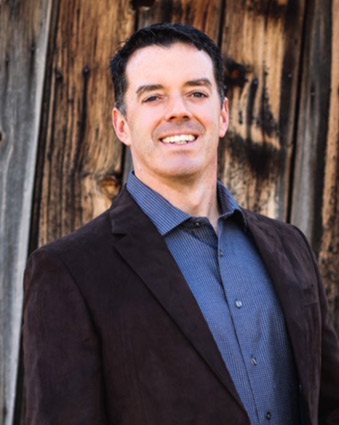
Dr. Kevin Krieg graduated magna cum laude from Sherman College of Chiropractic. He has served the Missoula community for over 20 years, earning honors like Best Chiropractor 10 years running. Alongside his degree, he’s completed extensive postgraduate training in gentle adjusting techniques and injury rehabilitation. His goal is not only pain relief but also restoring optimal function. His diverse patients span from young children to Olympic athletes to seniors. Wellness goes beyond the quick fix to get you thriving through natural methods centered around your body’s inborn healing ability. Experience high-level expertise combined with personalized care.