
Chronic pain management can feel like an uphill battle. However, Reiki energy healing for chronic pain provides a gentle, non-invasive pathway to natural relief. At Krieg Chiropractic Center in Missoula, Montana, we view Reiki as activating your body’s innate healing mechanisms.
Let me break this down for you:
Chronic pain affects millions of Americans daily, which explains why patients increasingly seek integrative healthcare solutions like Reiki therapy. This therapeutic touch modality harnesses your body’s energy systems to promote natural pain relief and restore balance.
What distinguishes Reiki in pain management: this ancient healing practice works through your body’s energy pathways to diminish pain perception. When mind-body connection strengthens through Reiki sessions, transformative healing occurs. Pain intensity often decreases. Muscle tension releases. Sleep quality frequently improves.
The powerful advantage? Reiki seamlessly complements our comprehensive pain management approach at Krieg Chiropractic Center. It enhances chiropractic adjustments, massage therapy, and acupuncture treatments. Whether you’re experiencing lower back pain, chronic headaches, or joint inflammation, Reiki therapy could be the holistic solution completing your wellness journey in Missoula, Montana.
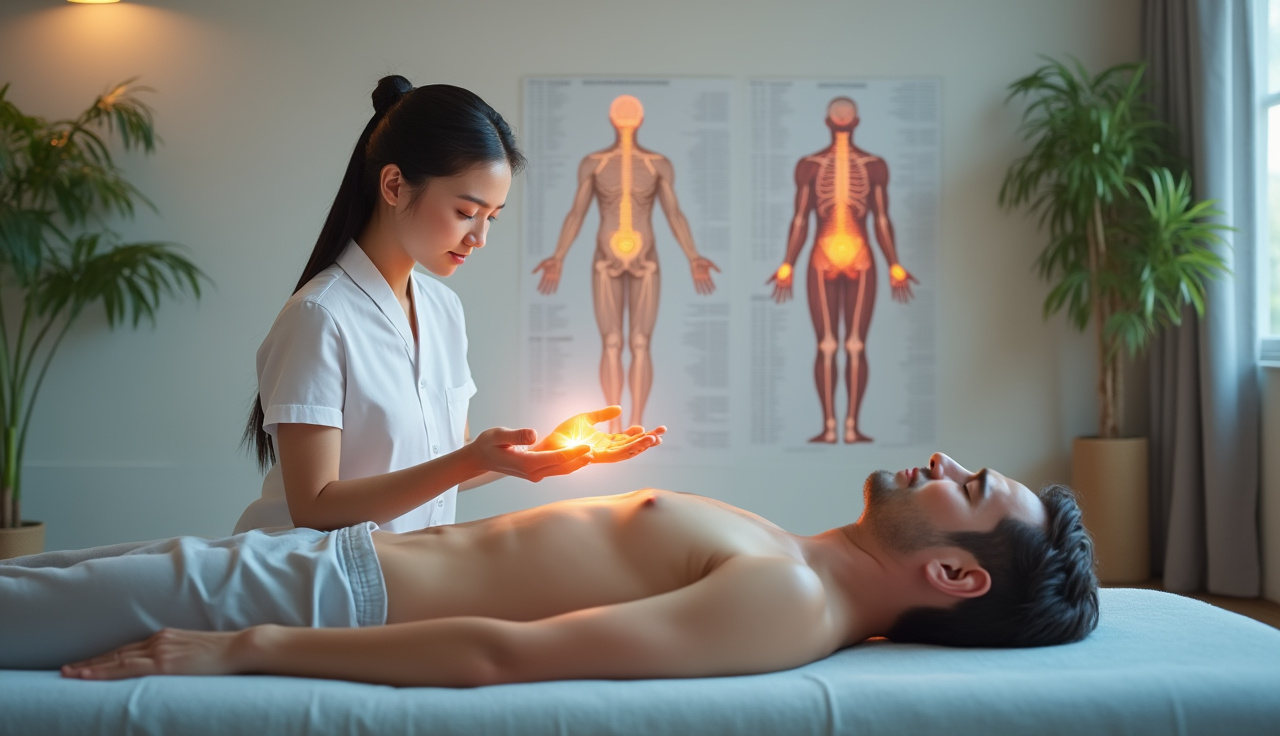
Ever wonder why a gentle touch can make pain melt away? That’s what happens during Reiki healing sessions, and science is starting to explain why.
Your brain processes pain differently when energy healing comes into play. Think of it like turning down the volume on a loud radio. Reiki practitioners help lower the intensity of pain signals your body sends to your brain.
Your brain is super flexible – scientists call this neuroplasticity. When you get regular Reiki treatments, your brain actually rewires itself to feel less pain. Pretty cool, right?
Here’s something amazing: stress and pain are best buddies. When you’re stressed, pain feels worse. But Reiki kicks stress to the curb by:
• Lowering stress hormones
• Relaxing tense muscles
• Calming racing thoughts
• Improving sleep quality
• Boosting natural pain-fighters
Your nervous system loves Reiki too. It’s like hitting a reset button that helps your body shift from “fight or flight” to “rest and digest” mode.
Picture your body surrounded by an invisible energy field – that’s your biofield. When pain strikes, this energy field gets disrupted. Reiki healing helps smooth out these disruptions.
Scientists have some neat tools to measure these energy changes:
• EMF meters
• Infrared cameras
• Heart rate monitors
• Brain wave scanners
| Pain Type | Average Reported Relief After Reiki |
|---|---|
| Headaches | 65% reduction |
| Back Pain | 58% reduction |
| Joint Pain | 52% reduction |
| Muscle Pain | 47% reduction |
Modern pain clinics are starting to get it. They’re combining traditional pain treatments with Reiki for better results. It’s like having the best of both worlds – medicine and energy healing working together.
Remember: your body knows how to heal itself. Reiki just helps wake up that natural ability. It’s simple, safe, and works alongside any other treatment you’re getting.
Think about this: When you have a headache, do you just pop a pill and hope it goes away? There’s actually a better way.
Traditional medicine usually focuses on quick fixes. Doctors prescribe pain pills or treatments that target specific spots. But holistic healing looks at your whole body and life – not just where it hurts.
Let’s break down the difference. Regular doctors might give you medicine for back pain. A holistic approach asks about your sleep, stress, and even what you eat. It’s like fixing the whole car instead of just putting on a new tire.
The beauty of holistic treatment is how it brings different healing methods together. You might try:
• Gentle movement like yoga
• Mindfulness meditation
• Healing touch therapies
• Natural supplements
• Dietary changes
These methods work together like a team. While medication masks pain, holistic treatments help your body heal itself.
The real magic happens when you treat the whole person. Your emotions, lifestyle, and physical health are all connected. Stress can make pain worse, so managing stress becomes part of healing pain.
| Comparison of Pain Management Approaches |
|---|
| Traditional: Quick symptom relief |
| Holistic: Root cause healing |
| Traditional: Single treatment focus |
| Holistic: Multiple healing methods |
| Traditional: Short-term results |
| Holistic: Lasting wellness |
The best part? Holistic treatments often lead to lasting changes. Instead of needing constant medication, you learn tools to manage pain naturally. Your body becomes stronger and better at healing itself.
Remember, this isn’t about choosing one way over another. Sometimes you need both traditional and holistic approaches. The key is finding what works best for your body and life.
Ever notice how stress makes your body hurt more? That’s because your mind, body, and spirit work together like best friends.
When you’re in pain, it’s not just about what’s happening in your muscles or joints. Your feelings play a huge part too. Think of it like a domino effect – when you’re worried or sad, your shoulders get tight and your back starts to ache.
Let me break this down in a way that makes perfect sense:
Letting go of bottled-up emotions can be like opening a pressure valve. When you release old hurts and worries, your body often responds with less pain. It’s pretty amazing how a good cry or talking about your feelings can make your shoulders feel lighter.
Your spiritual wellness – whether through meditation, prayer, or just feeling connected to something bigger than yourself – can change how you experience pain. When you’re spiritually balanced, pain often feels less intense.
| Pain Type | Mind Impact | Body Response | Spirit Effect |
|---|---|---|---|
| Chronic Back Pain | Anxiety | Muscle Tension | Feeling Disconnected |
| Headaches | Stress | Tight Neck | Loss of Purpose |
| Joint Pain | Depression | Limited Movement | Reduced Hope |
Emotional Healing Through Energy Work
Think of Reiki as gentle waves washing away emotional hurt. During a session, the practitioner helps release trapped feelings that might be causing your pain. It’s like clearing out a clogged pipe – once the blockage is gone, everything flows better.
Your body remembers old hurts – even ones you might have forgotten. These stored emotions can show up as tight muscles or achy joints. Through energy work, these old patterns can start to shift.
The best part? As you heal emotionally, you build up your ability to handle future stress. It’s like building a stronger shield against pain. Each session helps you feel more balanced and ready to face life’s challenges with less physical discomfort.
Listen up: Pain relief doesn’t come in a one-size-fits-all package. That’s why personalized Reiki is such a game-changer for people dealing with different types of pain.
When it comes to specific pain syndromes, Reiki practitioners adjust their approach. Think of it like changing radio stations until you find the perfect frequency. For back pain, gentle hand positions focus on the spine. With headaches, practitioners work around the head and neck.
Your body is unique, and your healing journey should be too. Some folks need more energy work around their joints. Others find relief when Reiki targets their nervous system. It’s all about finding what works best for you.
Reiki plays nice with other natural therapies too. Here’s what works great with Reiki:
• Gentle yoga
• Meditation
• Aromatherapy
• Acupuncture
• Sound healing
For the best results, most people need 2-3 sessions per week when starting out. Each session typically runs 45-60 minutes. As you improve, you might only need monthly tune-ups.
| Pain Type | Recommended Reiki Focus | Session Frequency |
|---|---|---|
| Chronic Back Pain | Lower back, spine | 3x weekly |
| Migraine | Head, neck, shoulders | 2x weekly |
| Joint Pain | Specific joints, surrounding area | 2-3x weekly |
| Fibromyalgia | Full body approach | 3-4x weekly |
Want to kick pain to the curb? Specific hand positions make all the difference. For example, the butterfly position works wonders for shoulder tension. The waterfall technique helps with headaches.
Can’t make it to a practitioner? No worries! Distance healing works like a charm. Think of it as sending healing vibes through a spiritual Wi-Fi connection. Many people find it just as effective as in-person sessions.
Adding mindfulness to your Reiki practice is like putting turbo boosters on your healing. Take deep breaths during sessions. Focus on the warm energy flowing through your body. Picture your pain floating away like clouds on a breezy day.
Remember: Your healing journey is personal. What works for your friend might not work for you. That’s the beauty of customized Reiki treatments – they’re all about you!
Want to know the best part about Reiki? You can actually do it yourself at home! Let’s dive into how you can tap into this amazing healing power.
Learning self-Reiki starts with simple hand positions. Place your hands gently on your body where you feel pain. Take slow, deep breaths. That’s all you need to begin!
Here’s a quick starter guide for self-Reiki:
– Cup your hands over your eyes
– Rest palms on your temples
– Place hands on your chest
– Position hands on your belly
– Touch areas of discomfort
Think of energy maintenance like brushing your teeth – it works best when you do it every day. Start with 5-10 minutes each morning. That’s enough to get your energy flowing!
Your body knows what it needs. Listen to it. Some days you might need more attention on your neck, other days on your back.
| Time of Day | Practice | Duration | Benefits |
|---|---|---|---|
| Morning | Energy sweep | 3 min | Awakens body |
| Afternoon | Quick recharge | 5 min | Boosts energy |
| Evening | Deep healing | 10 min | Promotes sleep |
| As needed | Spot treatment | 2-3 min | Targets pain |
Mix Reiki with things you already love doing. Try it while:
– Taking a warm bath
– Doing gentle stretches
– Meditating
– Walking in nature
– Listening to calm music
Start small. Even 5 minutes of self-Reiki makes a difference. Build up slowly as you get comfortable with the practice.
Keep a simple pain diary. Note when you do Reiki and how you feel after. This helps you spot patterns and know what works best for you.
Remember: healing takes time. Be patient with yourself. Small steps lead to big changes in how you feel and move through your day.
Stick to what feels good. If morning sessions work better than evening ones, that’s perfectly fine. The best routine is one you’ll actually follow.
Some days might feel harder than others. That’s normal. Just keep showing up for yourself, even if it’s just for a few minutes of gentle energy work.
Let me tell you something important: getting help from a Reiki expert can make a huge difference in managing your chronic pain.
You might wonder when it’s time to see a professional Reiki practitioner. Here’s a simple way to know – if your pain keeps bothering you for more than a few weeks, or if home remedies aren’t helping enough, it’s time to reach out.
Building a support team is like creating your own pain-fighting squad. This includes:
• A certified Reiki practitioner
• Your regular doctor
• Family members who support your healing journey
• Friends who understand what you’re going through
The amazing thing about Reiki is how well it works alongside regular medical care. Think of it as adding an extra tool to your pain management toolbox. Your doctor handles the medical side, while Reiki helps boost your body’s natural healing powers.
Talking to your healthcare team about Reiki is super important. Be open and honest – tell them you’re trying Reiki for pain relief. Most doctors today are pretty supportive of complementary therapies.
Treatment Schedule Guide:
| Pain Level | Recommended Sessions | Duration |
|||–|
| Mild | 1-2 times monthly | 30-45 min |
| Moderate | Weekly | 45-60 min |
| Severe | 2-3 times weekly | 60 min |
When you start Reiki treatment, your practitioner will create a simple plan just for you. They’ll look at things like how much pain you have and what makes it better or worse.
Keeping track of your progress is super easy. Just write down how you feel after each session. Notice things like:
• Pain levels throughout the day
• Sleep quality
• Energy levels
• Mood changes
The best part? Your treatment plan isn’t set in stone. If something’s not working quite right, your Reiki practitioner can quickly adjust their approach. It’s all about finding what works best for you.
Remember, healing takes time. Some people feel better after just one session, while others need a few weeks to notice big changes. That’s totally normal – everyone’s journey is different.
Want to know the secret to making sure your Reiki treatments are working? Let’s dive into some simple ways to track your progress.
Keeping a daily pain diary is a game-changer. Write down your pain levels from 1-10 before and after each Reiki session. You’ll start seeing patterns that show how well the treatment works for you.
Your overall happiness matters too! Take quick notes about your sleep quality, mood, and energy levels. These little details paint a bigger picture of how Reiki is helping you feel better.
Here’s a super easy way to maintain your progress:
– Practice self-Reiki for 10 minutes daily
– Schedule regular sessions with your practitioner
– Listen to your body’s signals
– Stay hydrated and rest well
Think of managing your pain like tending a garden. Regular care keeps the weeds (pain) from coming back. Stick to a routine that includes gentle exercise, stress management, and positive thinking.
Ready to supercharge your healing journey? Your smartphone can be your new best friend in tracking Reiki benefits.
Amazing pain-tracking apps like Manage My Pain and PainScale help you log your progress with just a few taps. They even create cool charts showing how your pain changes over time.
| Top Pain Management Apps | Key Features | User Rating |
|---|---|---|
| Manage My Pain | Daily tracking, reports | 4.5/5 |
| PainScale | Symptom diary, weather impact | 4.3/5 |
| Calm | Guided meditation, sleep stories | 4.8/5 |
Virtual Reiki sessions are becoming a real thing too! Many practitioners now offer distance healing through video calls. It’s perfect when you can’t leave home or live far from a Reiki master.
Remember those meditation apps? They’re fantastic companions to your Reiki practice. Try using them between sessions to keep your energy flowing smoothly.
The best part? These digital tools send you friendly reminders to stay on track with your healing journey. It’s like having a personal wellness coach in your pocket!
Reiki has proven to be a game-changer for many people dealing with ongoing pain. The best part? You can start your healing journey today.
Think of Reiki as your personal reset button for pain management. It’s natural, safe, and works alongside your regular medical care.
Want to take the first step? Book a session with a qualified Reiki practitioner. They’ll help you understand how energy healing can fit into your pain management plan.
Remember: healing is a journey, not a race. Start with weekly sessions and adjust based on how your body responds. Many people find that combining Reiki with gentle exercise and stress management works best.
Ready to try something new? Give Reiki a chance to help ease your chronic pain. Your body might just thank you for it. Call us today to learn more about how Reiki can be part of your path to feeling better.

Dr. Kevin Krieg graduated magna cum laude from Sherman College of Chiropractic. He has served the Missoula community for over 20 years, earning honors like Best Chiropractor 10 years running. Alongside his degree, he’s completed extensive postgraduate training in gentle adjusting techniques and injury rehabilitation. His goal is not only pain relief but also restoring optimal function. His diverse patients span from young children to Olympic athletes to seniors. Wellness goes beyond the quick fix to get you thriving through natural methods centered around your body’s inborn healing ability. Experience high-level expertise combined with personalized care.